Three Cities, One Ancient Story
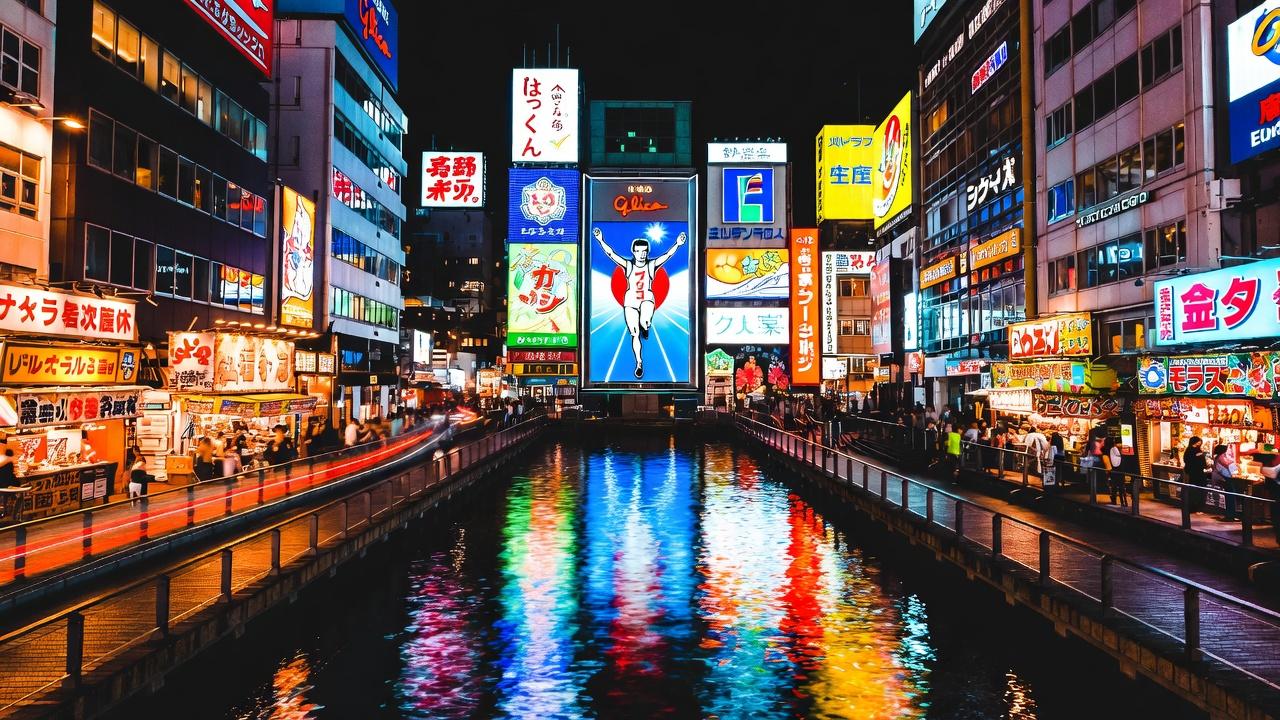
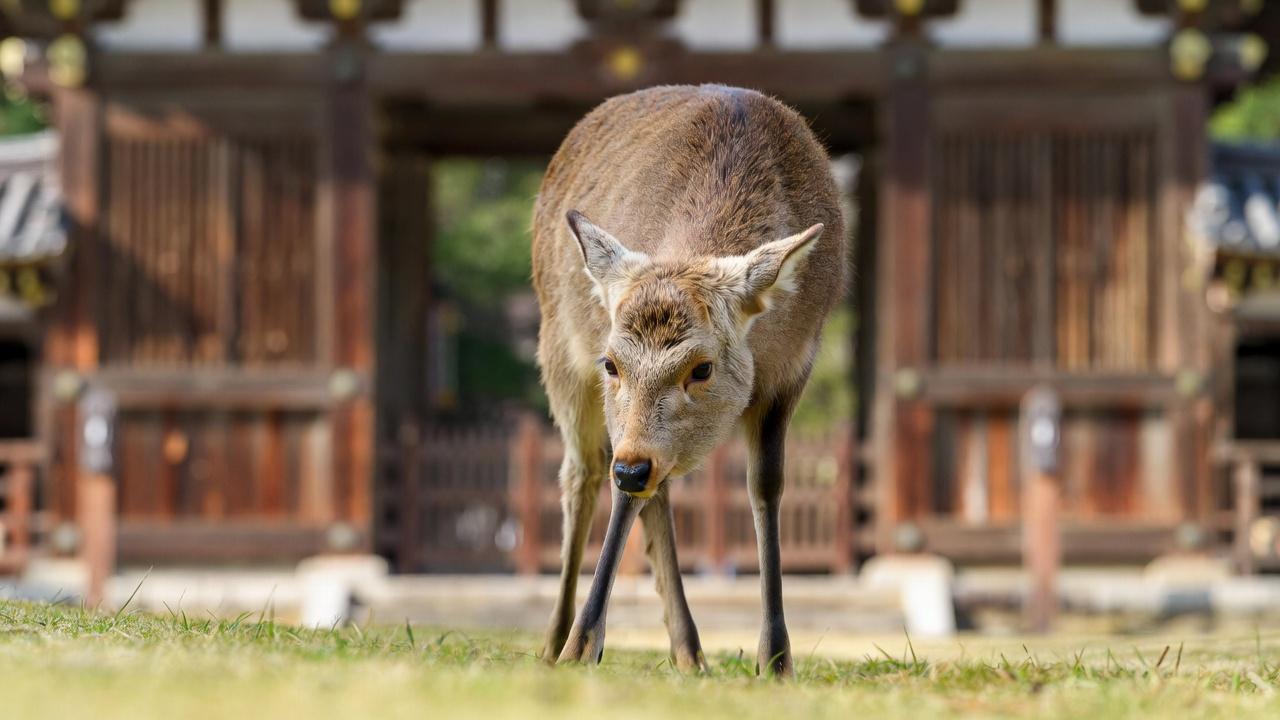
There is a particular magic to the Kansai triangle that no single city can replicate on its own. Kyoto offers contemplation — its 2,000 temples and shrines unfold along mossy hillside paths, through bamboo corridors, and across the still water of Zen gardens where time seems to hold its breath. Osaka, just fifteen minutes south by rapid train, shatters that silence with an exuberant roar. It is a city that eats first and asks questions later, where the Dotonbori canal reflects a galaxy of neon and the takoyaki stands never close. And then there is Nara, the quietest of the three, where sacred deer bow beneath camphor trees and the Great Buddha of Todai-ji sits in bronze silence inside the largest wooden building on earth. Together, these cities form not merely a convenient itinerary but a single, layered narrative about Japan — its spiritual past, its sensory present, and the gentle persistence of both.
What makes this trio so appealing to travelers is the almost absurd ease of moving between them. Kyoto and Osaka are connected by three separate rail lines — JR, Hankyu, and Keihan — each running every few minutes, each costing less than a coffee. The Osaka to Kyoto journey takes as little as fifteen minutes on the JR Special Rapid, making it shorter than most commutes in London or New York. Nara lies thirty-five to forty-five minutes from Kyoto on the Kintetsu line, a ride that passes through the outskirts of suburban Kansai before depositing you at the edge of one of Asia's most extraordinary parks. You can base yourself in a single hotel — ideally in Kyoto, where the atmosphere rewards evening walks — and treat the entire region as your backyard. An IC card like ICOCA or Suica will carry you across all three cities with a simple tap, and for those arriving from Tokyo by shinkansen, a JR Pass pays for itself within the first two legs of the journey. Many travelers combine this Kansai loop with Tokyo — our Golden Route itinerary covers the full Japan circuit.
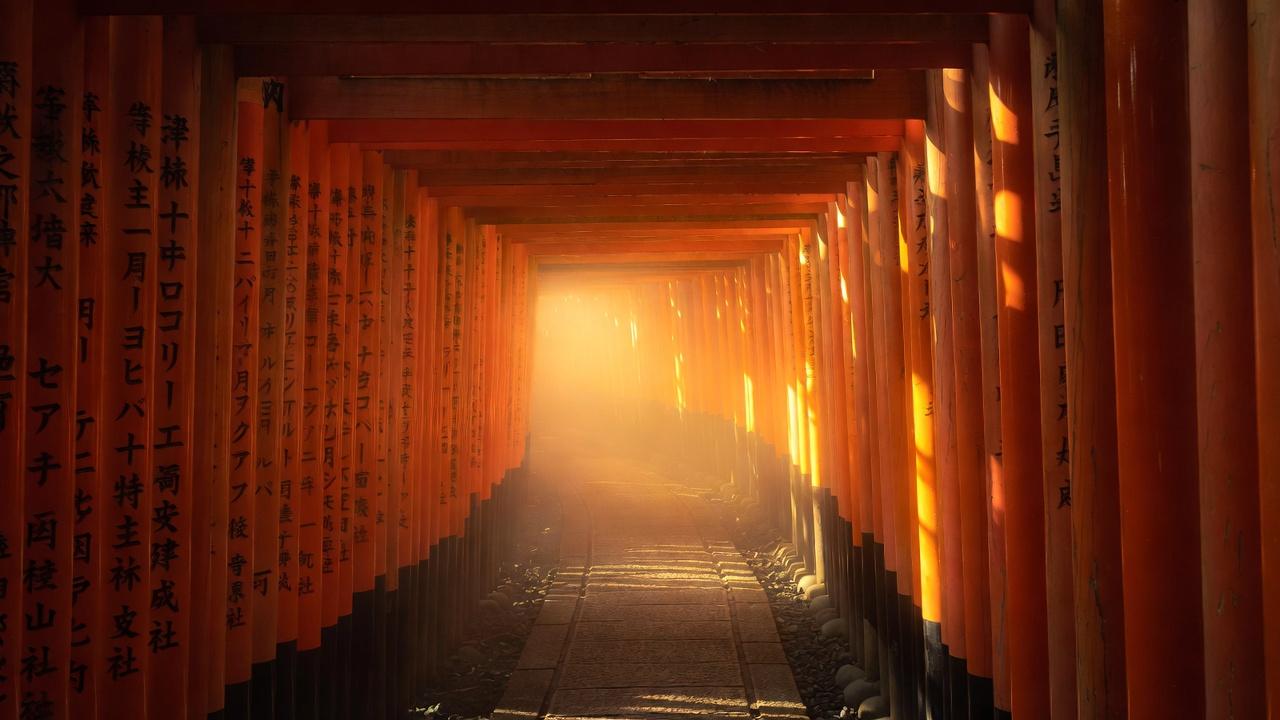
The question of pacing deserves honest attention. Four days is possible but breathless — you will see highlights and little else, moving through Kinkaku-ji and Fushimi Inari with the determined efficiency of someone checking items off a list. Five days begins to feel human. You can linger at a machiya cafe in Higashiyama, get properly lost in Osaka's Shinsekai neighborhood, and still have a full, unhurried day to wander Nara's park without watching the clock. Seven days is the sweet spot for anyone who wants to absorb rather than merely visit. At that pace, you have room for a half-day in Uji to taste the finest matcha in Japan, an afternoon exploring Osaka's Nakazakicho vintage district, or a quiet morning at Kyoto's Tofuku-ji before the tour groups arrive. The itinerary stops being a logistics puzzle and becomes something closer to a lived experience.
Seasonality shapes the Kansai region as decisively as geography. Spring brings cherry blossoms that sweep across all three cities in succession — Osaka's castle moat first, then Kyoto's Philosopher's Path, then Nara's hillside groves — creating a two-week window of staggering beauty that draws visitors from every corner of the world. Autumn is equally transformative: Kyoto's momiji maples ignite in November, and the reflected crimson of Tofuku-ji or Eikan-do is the kind of sight that rearranges your sense of what color can do. Summer is hot and humid across the Kansai plain, but it brings Gion Matsuri to Kyoto in July and an electricity to Osaka's street-food culture that almost compensates for the sweat. Winter, often overlooked, offers the rare possibility of snow on the Golden Pavilion and blissfully thin crowds at every major site. Our seasonal guide covers each month in detail, but the honest truth is that there is no wrong time — only different textures of beauty.
Each city's character becomes more distinct the longer you spend in the region. Kyoto is reserved, aesthetic, and occasionally austere — a city where beauty is pursued with monastic discipline and even the convenience stores seem quieter. Osaka is its opposite: loud, generous, and slightly chaotic, a city that invented the phrase kuidaore — "eat until you drop" — and means it literally. The food cultures alone justify the dual-city approach: Kyoto's kaiseki cuisine is a meditation on seasonality and restraint, while Osaka's kushikatsu and okonomiyaki are riotous celebrations of excess. For your Osaka days specifically, our Osaka itinerary hub has detailed routes for every trip length. Nara, meanwhile, operates on an older frequency altogether. It was Japan's capital before Kyoto, and something of that primordial authority lingers in the massive scale of its temples and the uncanny self-possession of its deer, who have been protected as divine messengers for over a thousand years. If you're basing yourself in Osaka rather than Kyoto, see our Nara day trip from Osaka guide for the reverse direction.
For practical planning, the decision of where to stay matters more than most guides let on. A Kyoto base near Kyoto Station gives you the fastest rail connections to both Osaka and Nara, while a base in Gion or Higashiyama places you within walking distance of Kyoto's densest concentration of temples and the atmospheric evening streets that make the city magnetic after dark. Wherever you land, the rhythm is the same: mornings belong to temples and shrines, when the light is soft and the crowds have not yet gathered; afternoons belong to trains and new cities; and evenings belong to the slow, wandering pleasure of being somewhere ancient that has never stopped being alive.