
Quick Picks by Travel Style
Best for Couples
Gion — Evening walks, lantern-lit dinners, romantic atmosphere.
Best for Families
Arashiyama — Monkey park, bamboo grove, river boats.
Best for Budget
Kyoto Station — Widest range from ¥2,500/night.
Best for Photography
Higashiyama — Ninenzaka slopes, Yasaka Pagoda views.
Best First-Timer Base
Kawaramachi — Central, walkable to Gion, great nightlife.
Best Off-the-Beaten-Path
Nishijin — Textile district, machiya, zero tourist crowds.
All Neighborhoods in Detail
Higashiyama
東山Traditional Kyoto at its finest
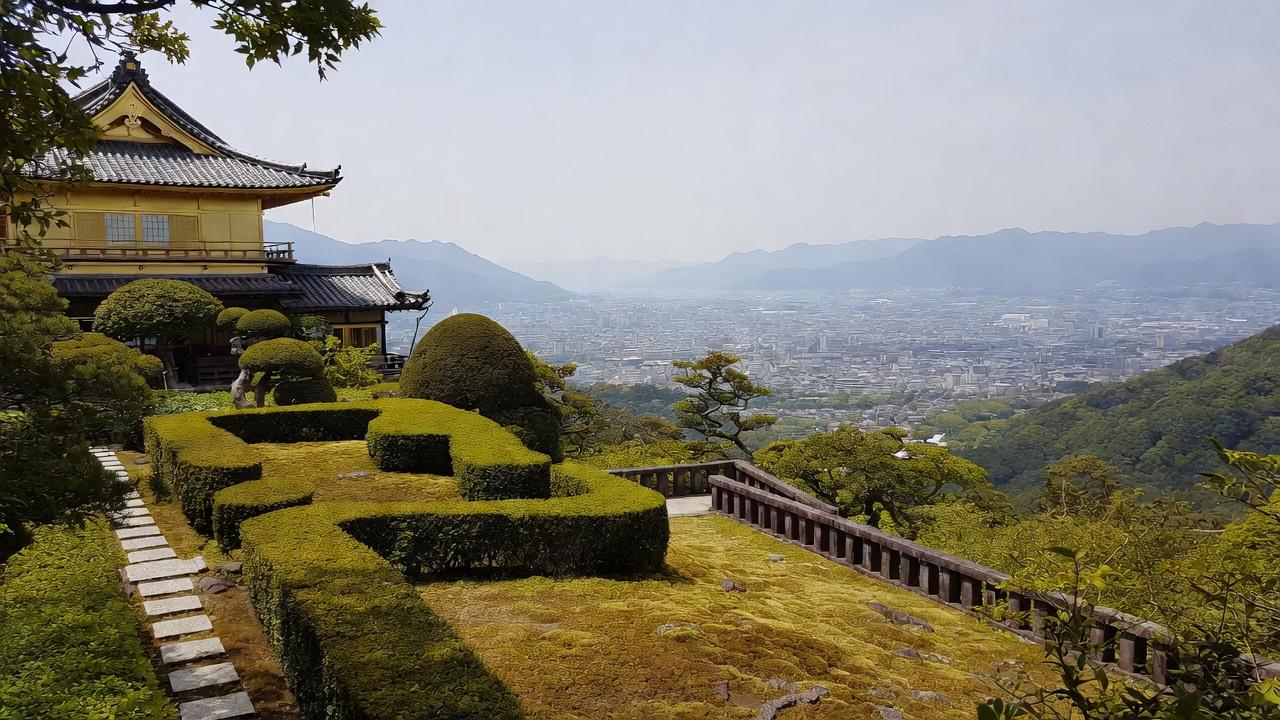
Higashiyama is the quintessential Kyoto experience. This hilly eastern district is home to Kiyomizu-dera, Kyoto's most famous temple, along with atmospheric lanes lined with machiya townhouses, tea shops, and pottery stores. The Ninenzaka and Sannenzaka slopes are among the most photographed streets in all of Japan.
Start early at Kiyomizu-dera (opens at 6 AM) to beat the crowds. Then walk downhill through Ninenzaka and Sannenzaka to Kodai-ji temple and its beautiful moss gardens. Continue north to Maruyama Park and Yasaka Shrine, which marks the border with Gion. The entire walking route takes 3–4 hours.
Time
3–4 hours
Access
Bus 100 or 206 from Kyoto Station (15 min, ¥240)
Crowds
High
Stay here?
Traditional ryokan within walking distance of the main sights.
Gion
祇園Geisha district & evening magic
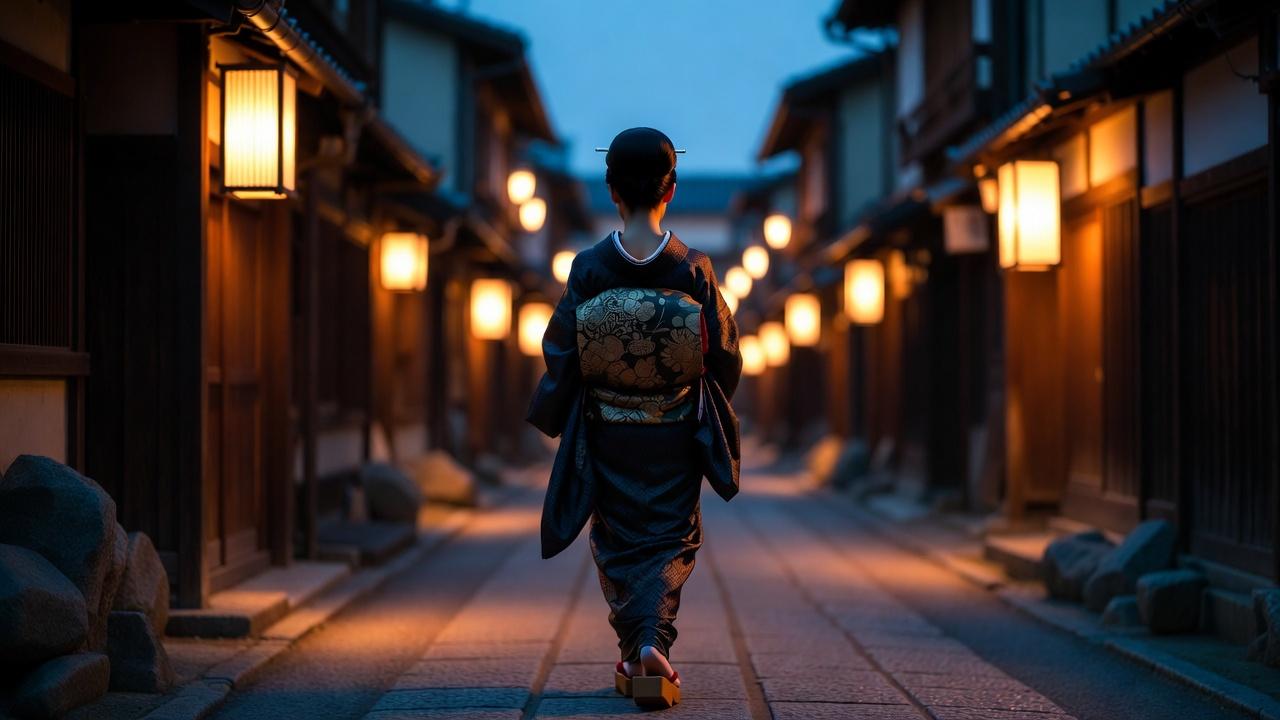
Gion is Kyoto's most famous geisha district, where you might spot a maiko hurrying to an evening appointment along Hanamikoji-dori. The district straddles the Kamo River and comes alive in the evening when paper lanterns illuminate the wooden facades of traditional ochaya (tea houses).
Hanamikoji-dori is the main street, but the real charm is in the quiet side alleys — Shinbashi-dori and Shirakawa-minami-dori along the willow-lined canal are hauntingly beautiful, especially at dusk. For the best chance of seeing geisha, visit between 5:30–6:30 PM.
Time
2–3 hours (best in evening)
Access
Bus 100 or 206 to Gion (15 min), or Keihan to Gion-Shijo
Crowds
Medium–High
Stay here?
Luxury ryokan or boutique hotels.
Arashiyama
嵐山Bamboo groves & mountain scenery
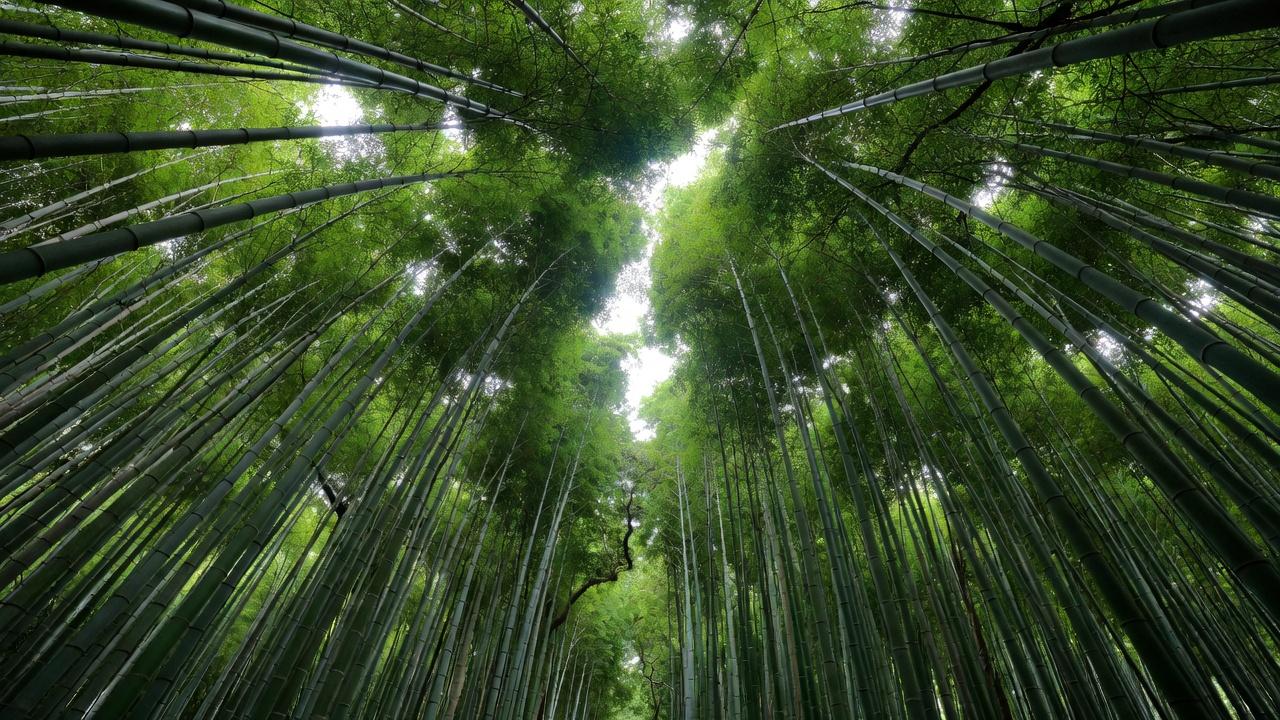
Arashiyama sits on Kyoto's western edge, where the city meets the mountains. The famous bamboo grove is the star attraction, but the district offers much more: river boat rides, a hilltop monkey park, and several outstanding temples.
Arrive early (before 8 AM) for the bamboo grove without crowds. Visit Tenryu-ji's garden, cross Togetsukyo Bridge, and consider the hike up to Iwatayama Monkey Park. Continue north for peaceful gems like Gio-ji and Jojakko-ji.
Time
4–6 hours
Access
JR Sagano Line from Kyoto Station (16 min, ¥240, JR Pass covered)
Crowds
High
Stay here?
A handful of upscale ryokan along the river.
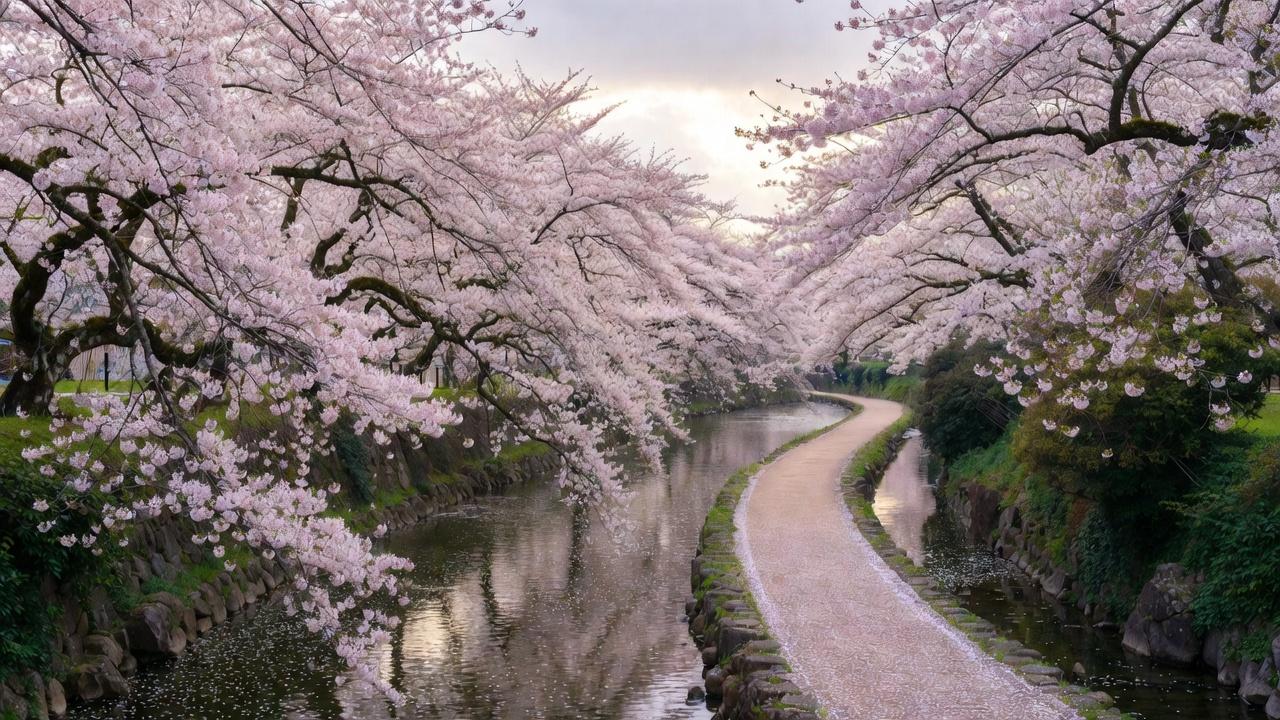
Philosopher's Path
哲学の道Peaceful canal walk between temples
A 2-kilometre stone path along a cherry-tree-lined canal connecting Ginkaku-ji (Silver Pavilion) to Nanzen-ji. Named after philosopher Nishida Kitaro who walked it daily in contemplation — Kyoto's most meditative walk.
Start at Ginkaku-ji and walk south. Detour to Honen-in (free, uncrowded, beautiful moss gate). End at Nanzen-ji and don't miss the brick aqueduct. In spring, the canal is a tunnel of cherry blossoms; in autumn, the maples are legendary.
Time
3–5 hours
Access
Bus 100 to Ginkaku-ji-michi (30 min), or Tozai subway to Keage
Crowds
Medium
Stay here?
Small guesthouses and boutique hotels.
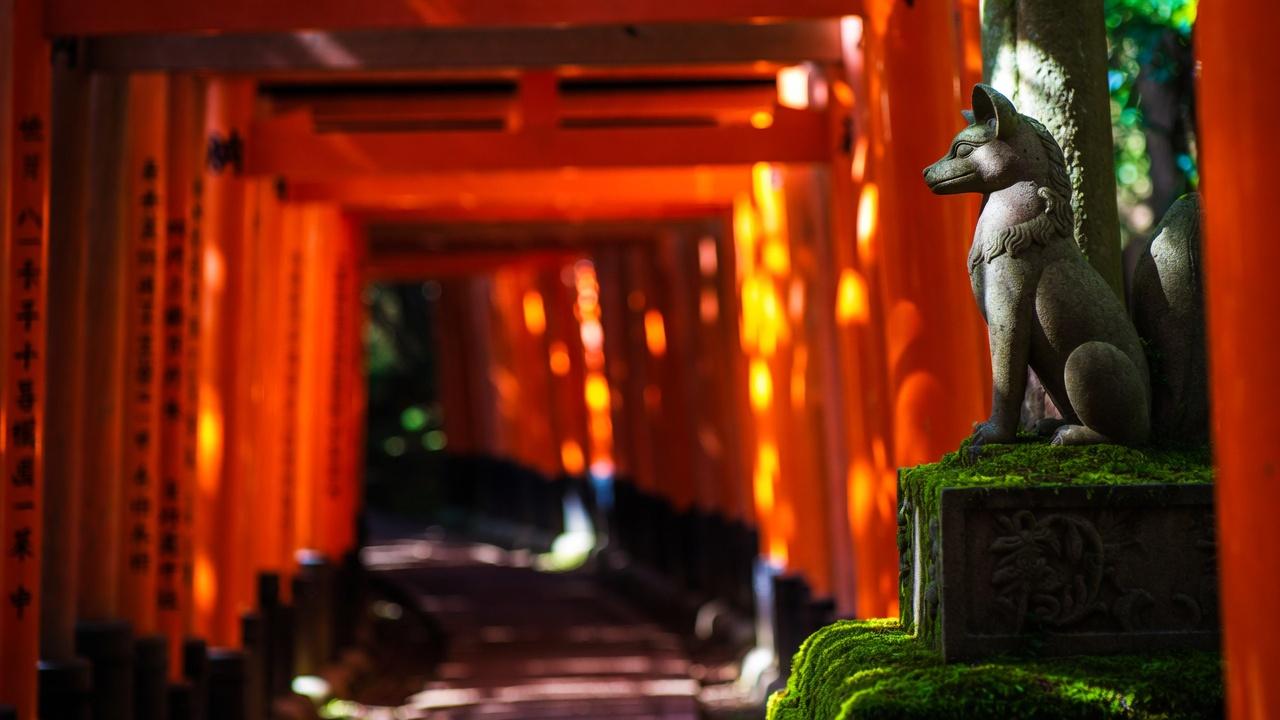
Fushimi
伏見Torii gates & sake breweries
Fushimi is synonymous with Fushimi Inari Taisha — thousands of vermilion torii gates winding up Mount Inari. But the wider district is also Kyoto's sake brewing heartland, with historic breweries along a picturesque canal.
Visit Fushimi Inari at dawn (5–6 AM) for empty gates. Afterward, head to the sake district. Gekkeikan Okura Sake Museum offers tastings. Stroll along the Jukkoku-bune canal with traditional boat cruises.
Time
3–5 hours
Access
JR Nara Line to Inari (5 min, ¥150)
Crowds
High (shrine) / Low (sake district)
Stay here?
Few tourists stay here — most visit as a half-day trip.
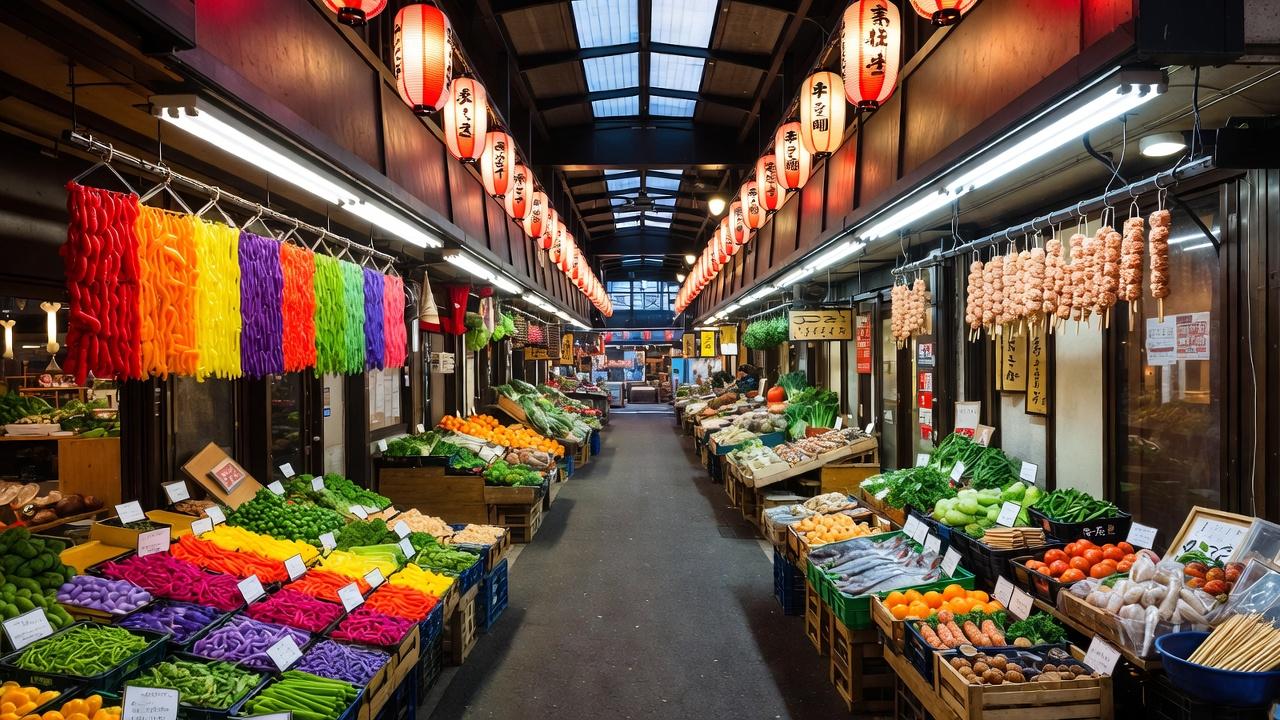
Kawaramachi & Downtown
河原町Shopping, nightlife & modern Kyoto
Kyoto's commercial heart — shopping arcades, department stores, restaurants, and bars centred on the Shijo-Kawaramachi intersection. Adjacent Pontocho alley offers atmospheric lantern-lit riverside dining along the Kamo River.
Shijo-dori has department stores and the covered Shinkyogoku and Teramachi arcades. Pontocho is a narrow alley with restaurants and bars. In summer, restaurants set up kawayuka platforms over the river. Nishiki Market is a 400-year-old food market.
Time
2–4 hours
Access
Hankyu to Kawaramachi, or Karasuma subway to Shijo
Crowds
High
Stay here?
The most practical base.
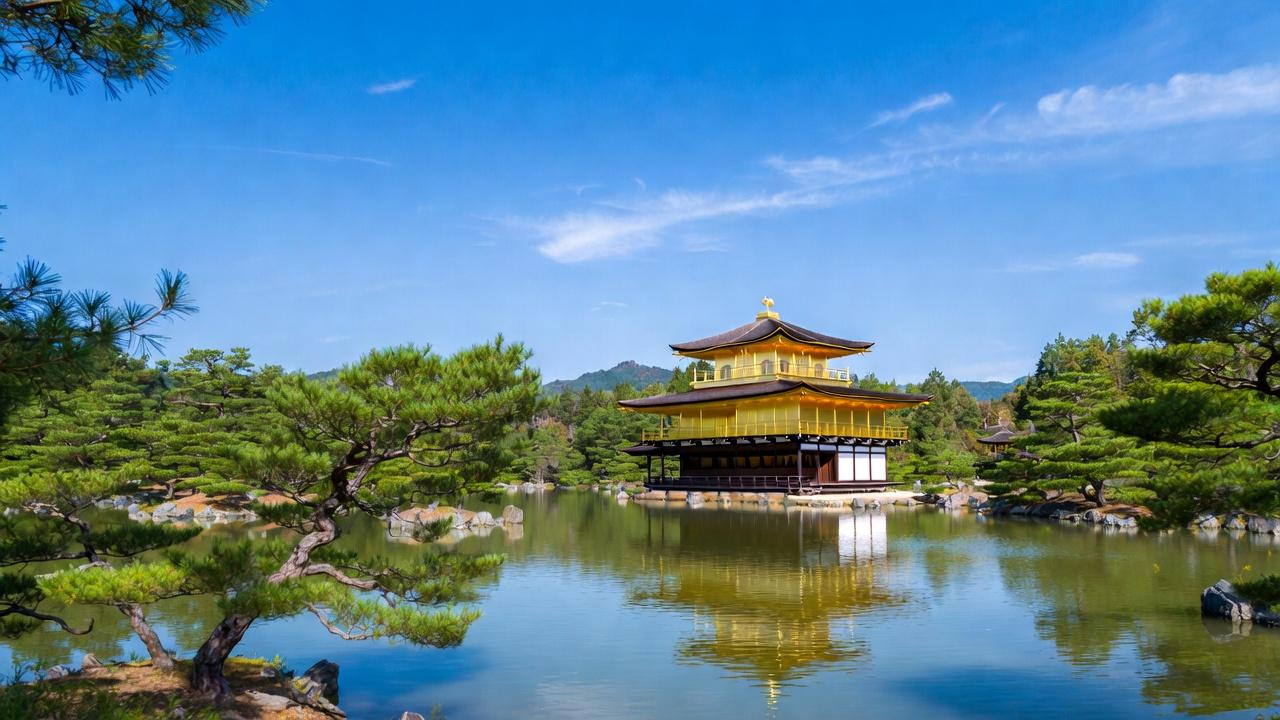
Kinkaku-ji & Kitano
金閣寺・北野The Golden Pavilion & geisha shrines
Northwest Kyoto is anchored by Kinkaku-ji (Golden Pavilion) — a three-story gold-leaf pavilion reflecting perfectly in its mirror pond. Nearby Kitano Tenmangu hosts Kamishichiken, Kyoto's oldest geisha district.
Visit Kinkaku-ji at opening (9 AM) or after 3:30 PM. Walk to Ryoan-ji for its Zen rock garden, then Ninna-ji for late-blooming cherry trees. Kitano Tenmangu hosts a flea market on the 25th of each month.
Time
3–4 hours
Access
Bus 205 from Kyoto Station (40 min, ¥240)
Crowds
High (Kinkaku-ji) / Low (Kitano)
Stay here?
Primarily residential with limited accommodation.
Kyoto Station Area
京都駅Transport hub & practical base
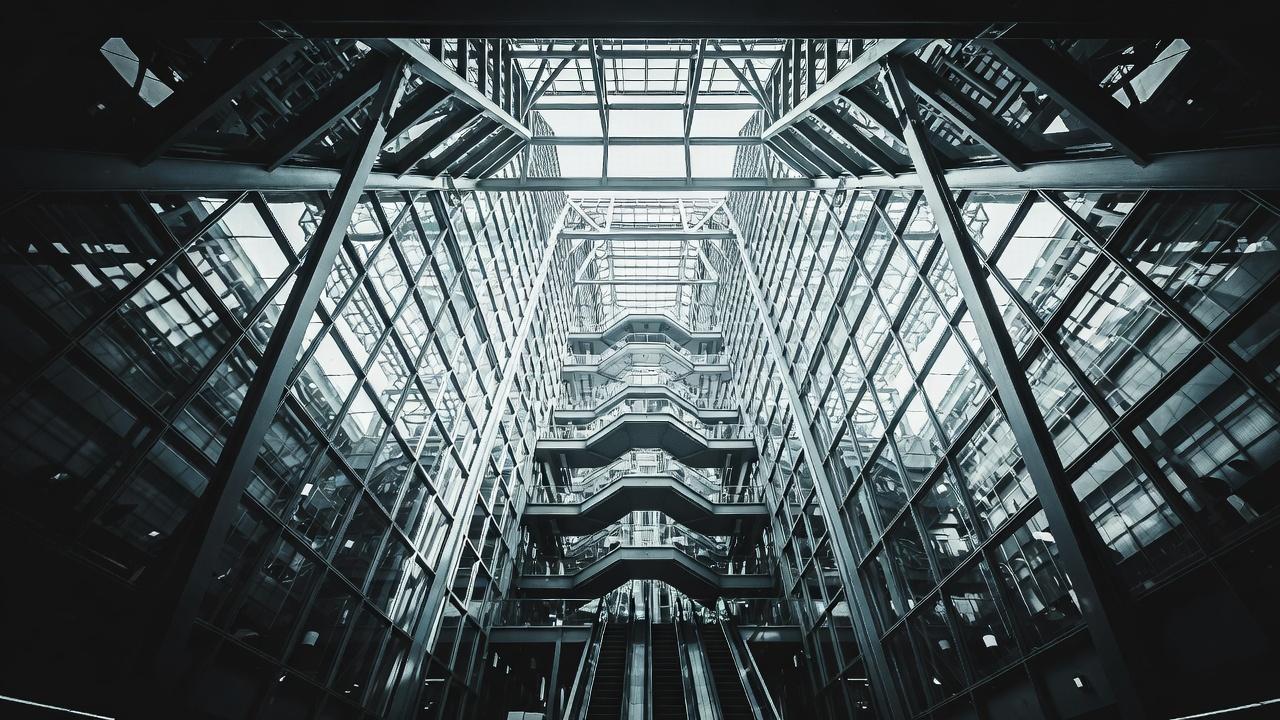
Not traditionally scenic, but Kyoto's most practical base. The station building itself is an architectural marvel with a rooftop terrace and 100+ restaurants. Nearby Higashi Hongan-ji and Toji Temple are extraordinary but overlooked.
The Kyoto Railway Museum is a highlight for families. Toji has Kyoto's tallest pagoda and a monthly flea market (21st). The station area has the best concentration of budget and mid-range hotels.
Time
1–2 hours (station), half day (with temples)
Access
You're already here. All lines converge at Kyoto Station.
Crowds
Medium
Stay here?
Widest hotel selection: ¥2,500 hostels to ¥15,000 business hotels.
Nishijin
西陣Textile heritage & local life
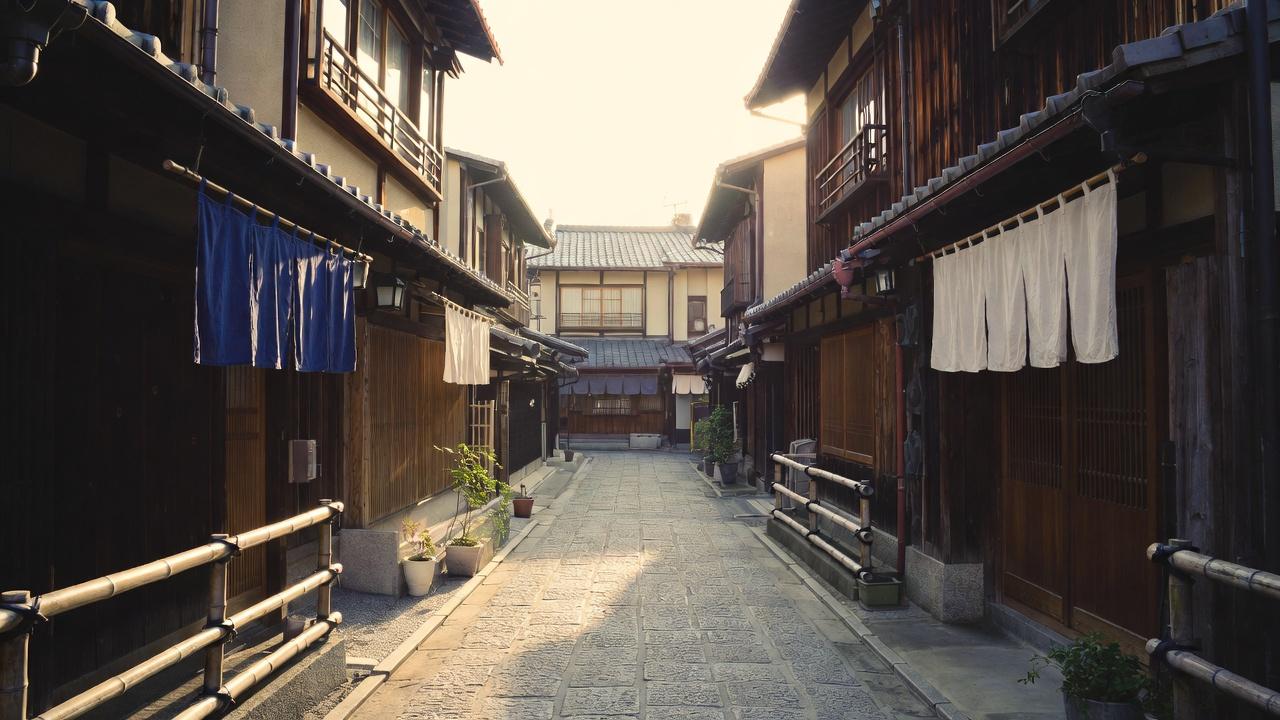
Kyoto's historic textile-weaving district where families have produced silk kimono fabric for 500+ years. One of the few neighborhoods where you can experience authentic, untouristy Kyoto — narrow streets, tiny family restaurants, and the clatter of looms.
The Nishijin Textile Center offers free kimono fashion shows. The real pleasure is wandering residential streets, discovering hidden temples, neighbourhood sento (bathhouses), and kissaten (retro coffee shops) that haven't changed in decades.
Time
2–3 hours
Access
Bus 205 from Kyoto Station (25 min)
Crowds
Low
Stay here?
Renovated machiya guesthouses.
Kurama & Kibune
鞍馬・貴船Mountain temples & riverside dining
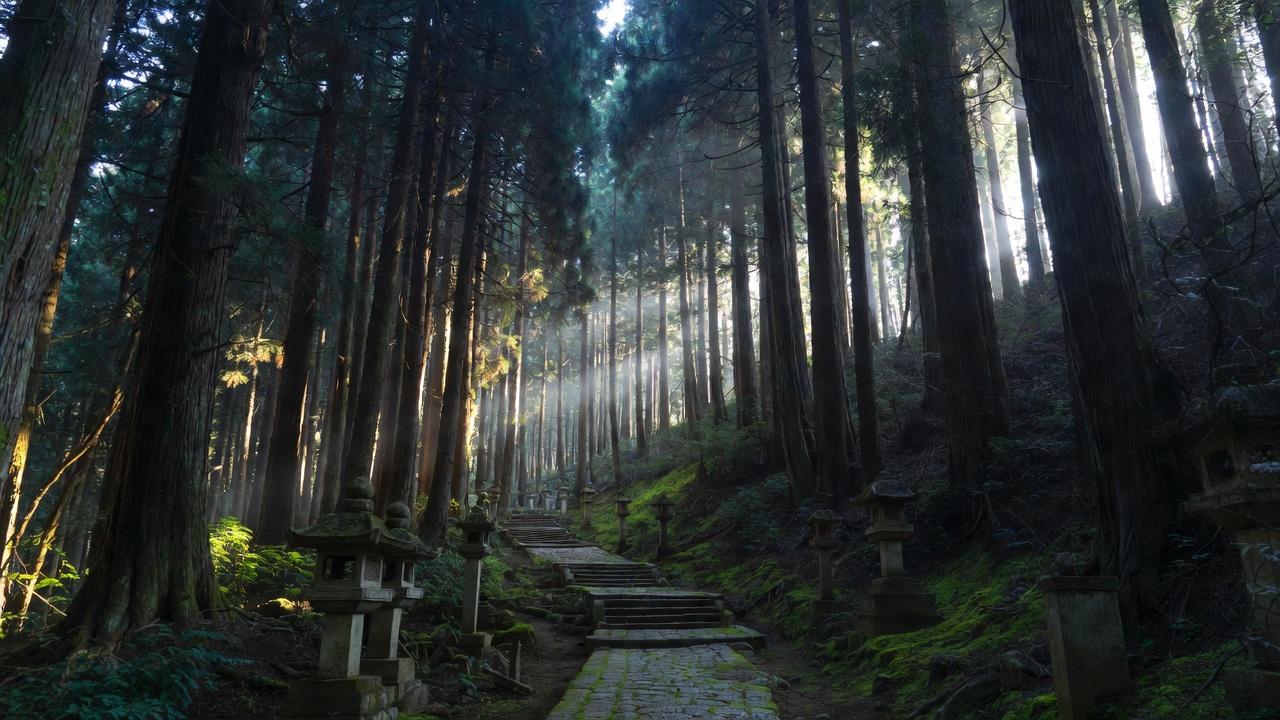
Tucked into the mountains 30 minutes north, these twin villages feel like a different world. Kurama has an ancient mountaintop temple. Kibune is famous for kawadoko platforms set over a rushing stream — magical in summer.
Hike from Kurama-dera over the mountain to Kibune (about 1 hour, moderate). Reward yourself with a kawadoko meal. In summer, tables over the river provide natural air conditioning. Kurama Onsen near the station has an outdoor rotenburo.
Time
4–6 hours
Access
Eizan Railway from Demachiyanagi (30 min, ¥430). Not JR Pass covered.
Crowds
Low–Medium
Stay here?
A few exclusive ryokan in Kibune.
Getting Between Neighborhoods
Kyoto rewards walking within neighborhoods but requires transit between them. The city stretches about 11 km north-to-south, so you can't walk everywhere. For example, Gion and Higashiyama connect on foot, but getting to Arashiyama or Fushimi Inari requires a train.
City Buses
Flat ¥240. Routes 100, 205, 206 cover most tourist sites. Can be slow in peak season traffic.
Karasuma Subway
North-south through the city centre. Fast, avoids traffic. Covers Kawaramachi, Nishijin, Station area.
JR Lines
Sagano Line to Arashiyama (16 min). Nara Line to Fushimi Inari (5 min). JR Pass covered.
Rent a Bicycle
Kyoto is flat in the centre. ¥1,000–¥1,500/day. Cover downtown, Philosopher's Path, Gion, and Higashiyama in one day.
Frequently Asked Questions
For first-time visitors, the Kawaramachi/Shijo area offers the best balance of central location, dining, nightlife, and transport links. For a traditional atmosphere, Higashiyama is unbeatable. Budget travelers should consider the Kyoto Station area for its hotel density and transport convenience.
Higashiyama has the highest concentration of famous temples, including Kiyomizu-dera, Kodai-ji, Chion-in, and Nanzen-ji (nearby). The Philosopher's Path area is a close second with Ginkaku-ji, Nanzen-ji, and Eikan-do.
Very walkable within individual neighborhoods. Higashiyama, Gion, and the Philosopher's Path area are best explored on foot. Getting between neighborhoods typically requires a bus, subway, or train — the city stretches about 11 km north-to-south.
The Kyoto Station area has the widest range of budget accommodation, from hostels (¥2,500/night) to business hotels (¥5,000–¥8,000/night). Avoid Gion and Higashiyama if on a strict budget — traditional ryokan there can cost ¥30,000+ per night.
Kyoto city buses connect most neighborhoods (flat fare ¥240). The Karasuma subway runs north-south through the city centre. JR and private railways reach Arashiyama, Fushimi, and Kurama. An ICOCA card works on everything.
Continue exploring
Related
3 Day Kyoto Itinerary
Covers Higashiyama, Arashiyama, and Kinkaku-ji districts.
Related
Kyoto Station Guide
Lockers, restaurants, and bus terminal navigation.
Related
Gion District Guide
Deep dive into Kyoto's famous geisha quarter.
Related
Arashiyama Guide
Full itinerary for the western bamboo district.
Seventeen of Kyoto's temples and shrines are recognized as UNESCO World Heritage Sites, scattered across many of the neighborhoods above. The best way to discover yours is on foot — start with our curated walking routes on the homepage.