京都への旅
Plan Your PerfectKyoto Adventure
Curated itineraries, seasonal guides, and district walks through Japan's ancient capital — from vermilion torii gates to hidden tea houses.
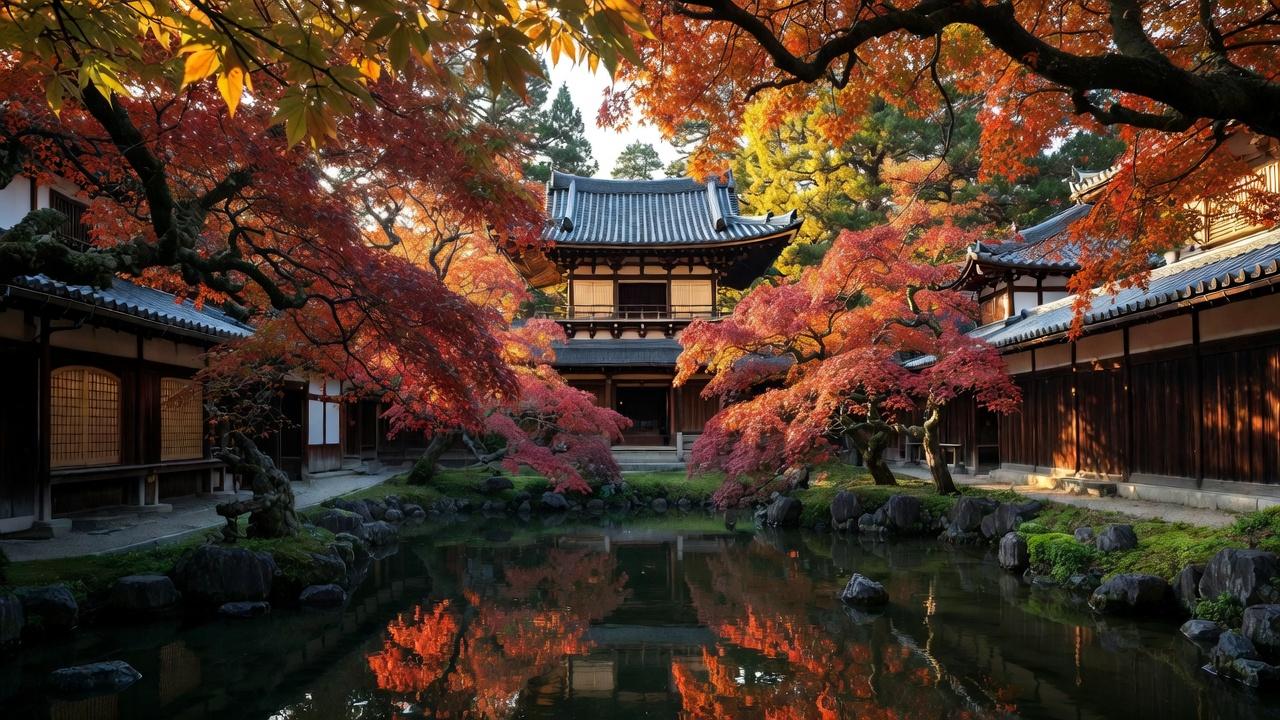
A Kyoto temple mirrored in autumn stillness
Powered by ITINE
Get this guide as a tappable itinerary
Day-by-day plan, audio tours, and one-tap Google Maps — completely free.

Destinations
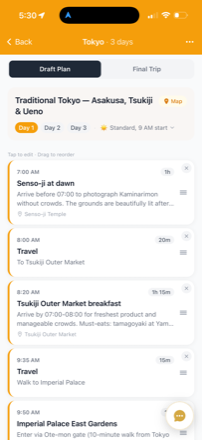
Your Itinerary
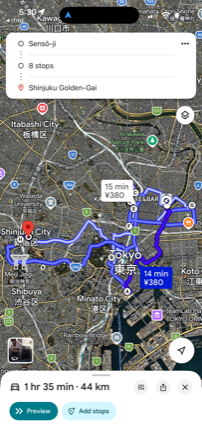
Google Maps
How would you like to experience Kyoto?
Choose your style — we'll suggest the right itinerary for you.
Curated Walks
歩く京都 — Walking Kyoto
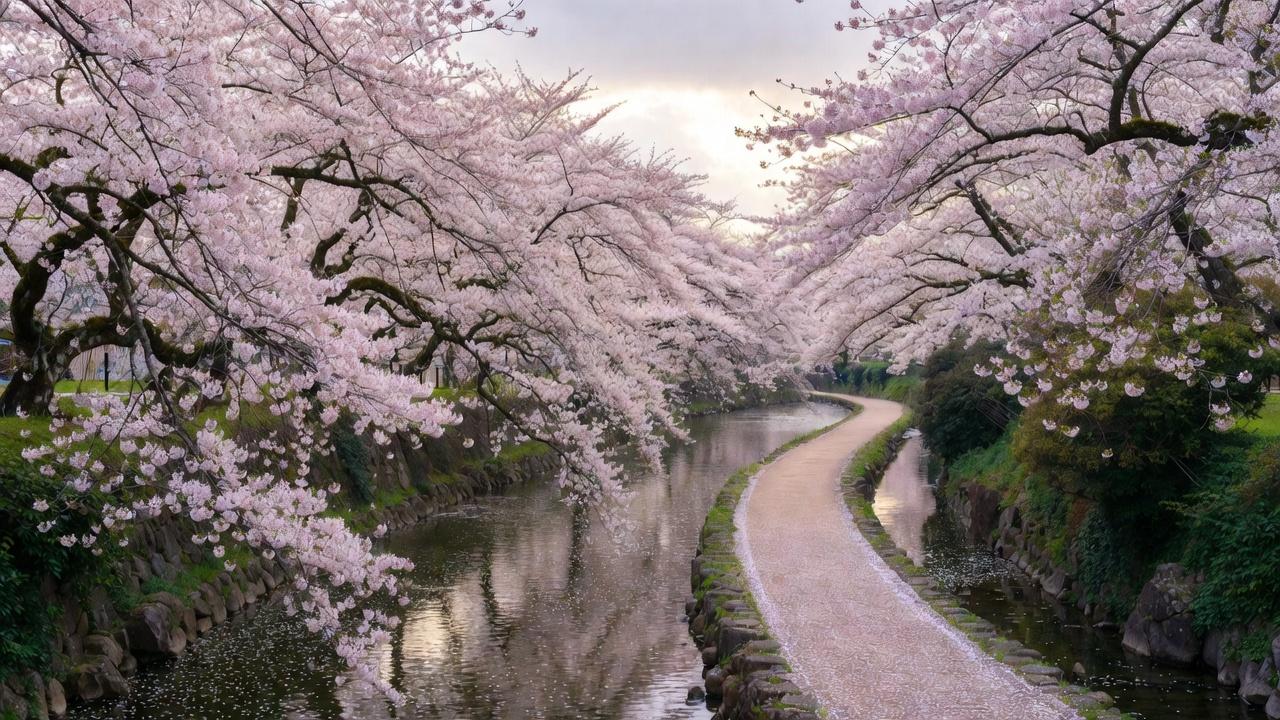
哲学の朝
The Philosopher's Morning
Follow the canal path that inspired a thousand meditations
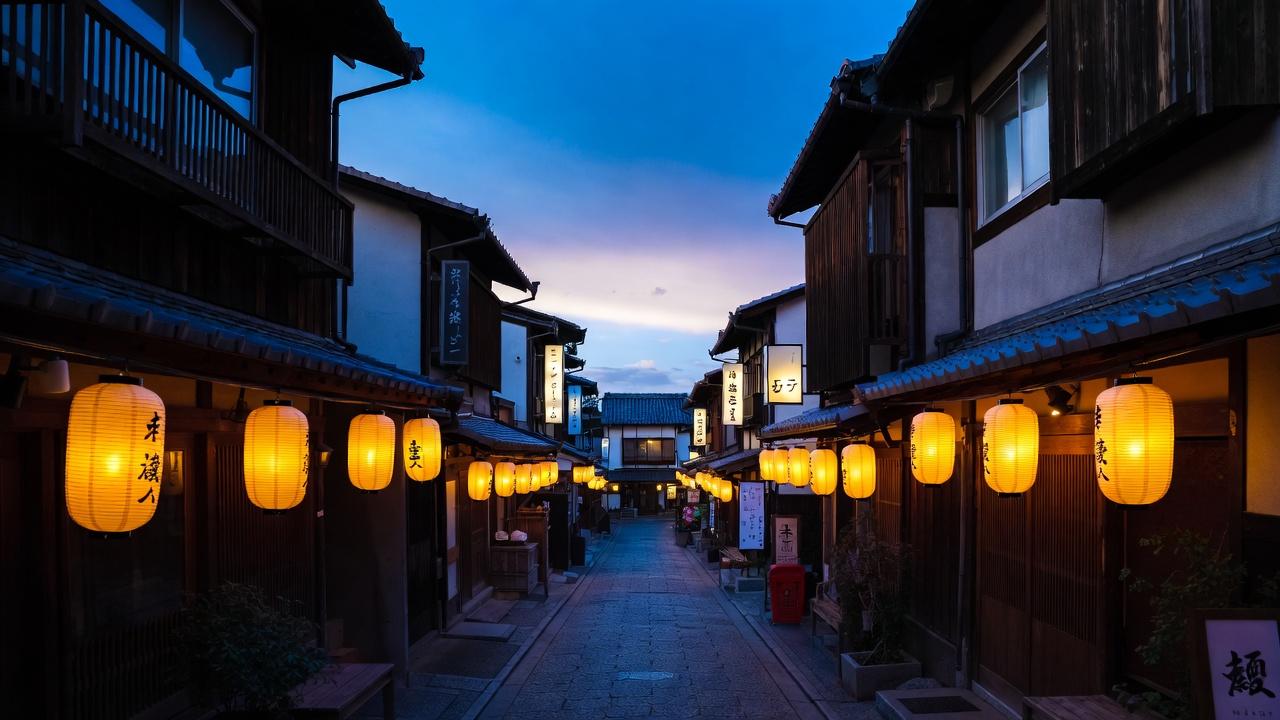
夕暮れの花街
Geisha Quarter at Dusk
Wooden sandals on stone — Gion as the lanterns come alive
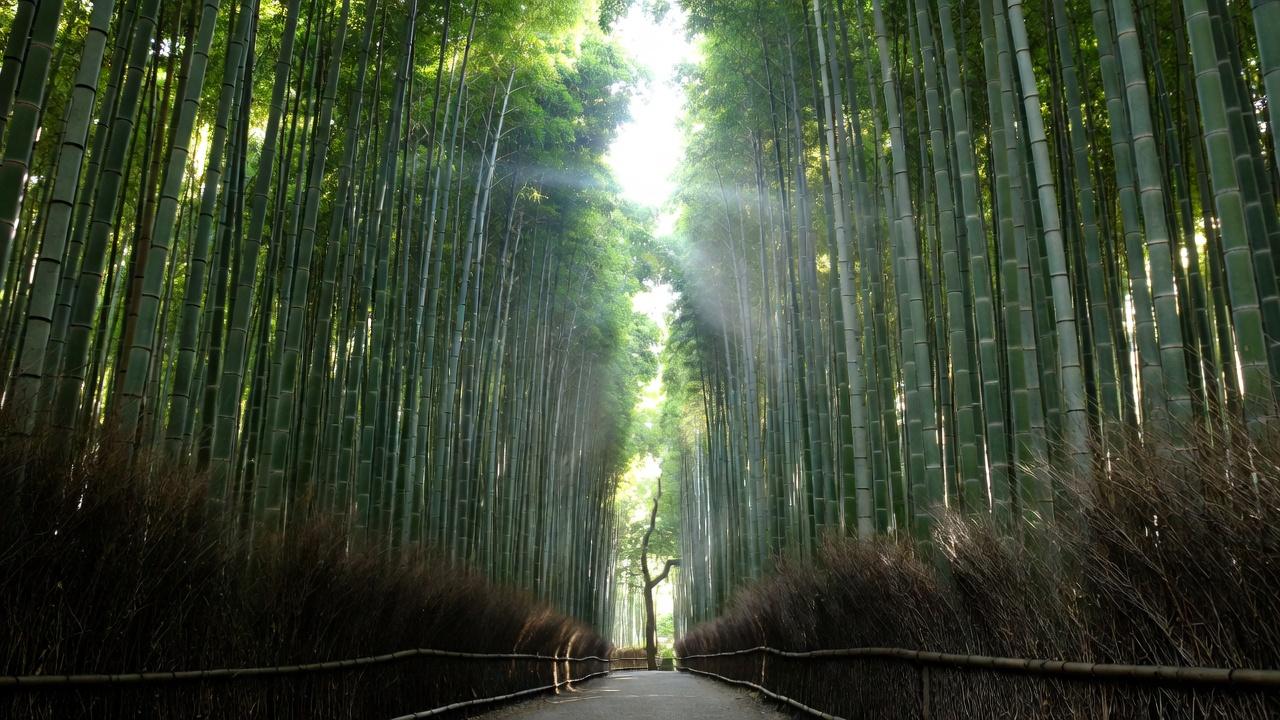
竹と寺の道
Bamboo & Temple Circuit
Where bamboo towers meet ancient Zen gardens in western Kyoto
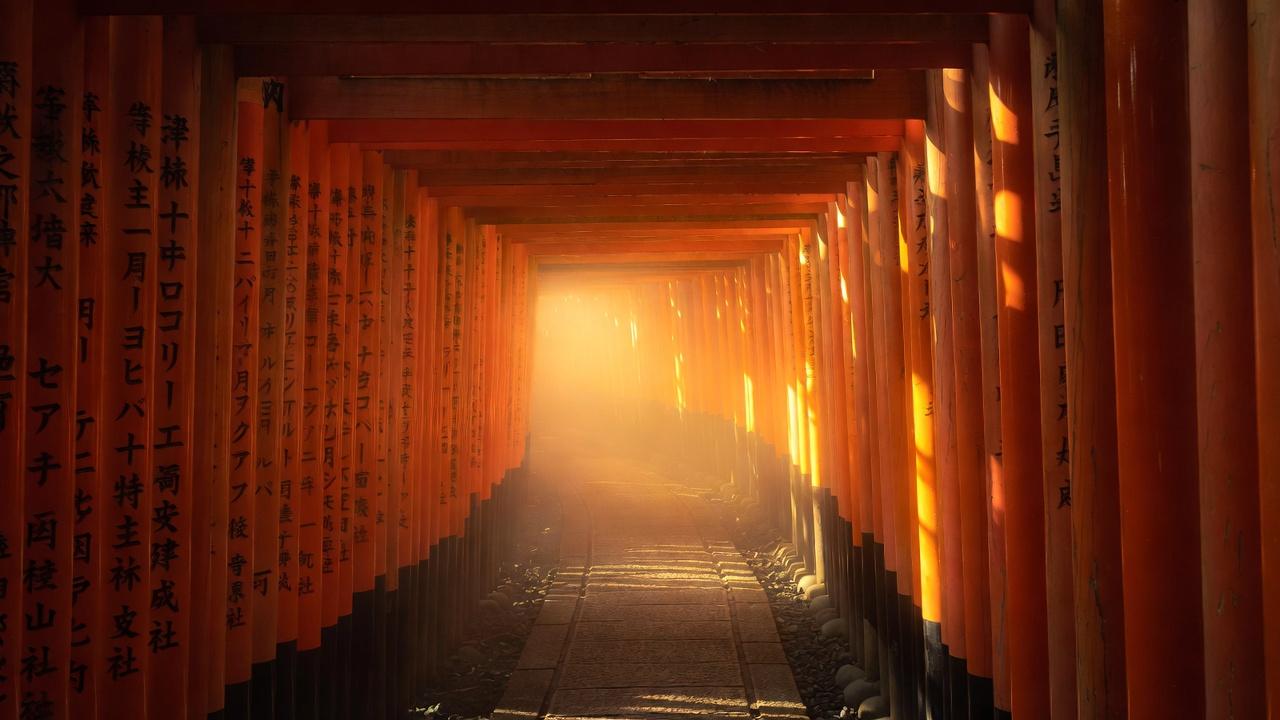
朱色の夜明け
Vermilion Dawn
Thousands of torii gates in silence — arrive before the world wakes
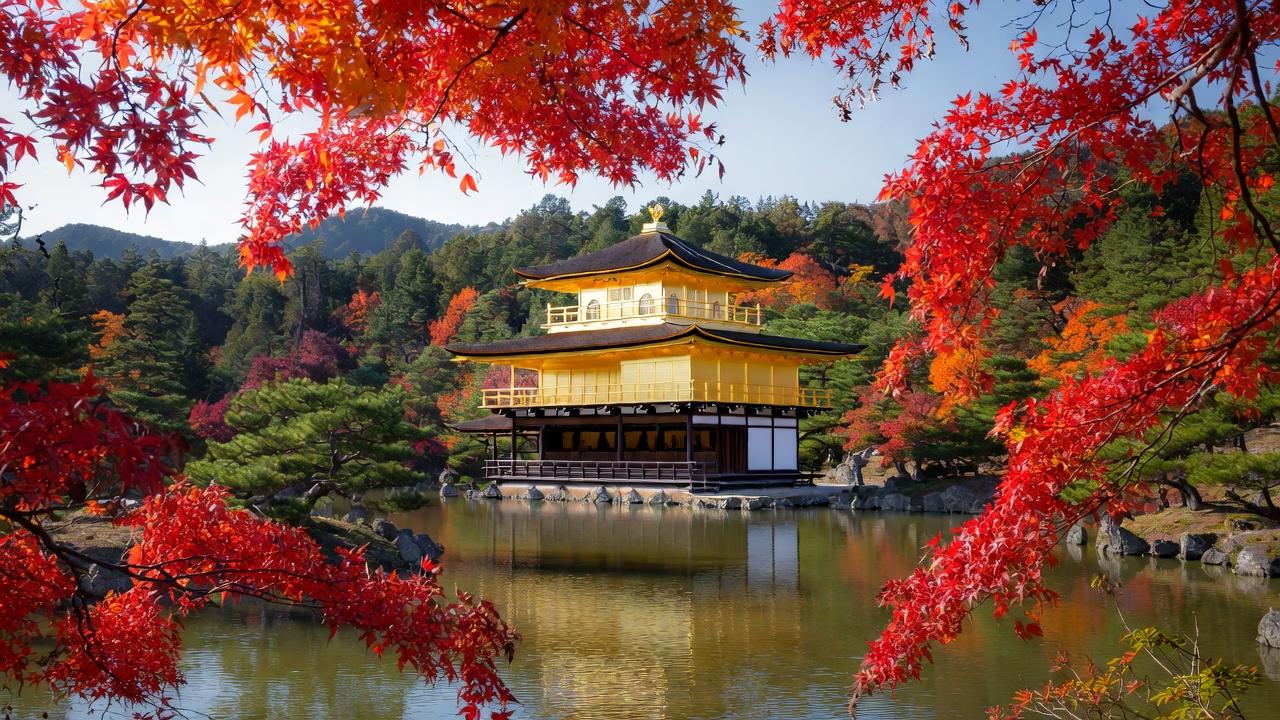
北山の寺々
Golden Pavilion & Beyond
Gold leaf, rock gardens, and the quiet north that most visitors never reach
Your Journey Through Japan's Ancient Capital
There is a particular stillness to Kyoto that no other city quite replicates. It lives in the pause between a temple bell's ring and its echo off moss-covered stone, in the way morning light filters through bamboo groves before the first visitors arrive. For over a thousand years, this city served as Japan's imperial capital — and that deep history is not confined to museums. It seeps into the geometry of every rock garden, the cadence of every tea ceremony, the deliberate placement of every stepping stone across a pond.
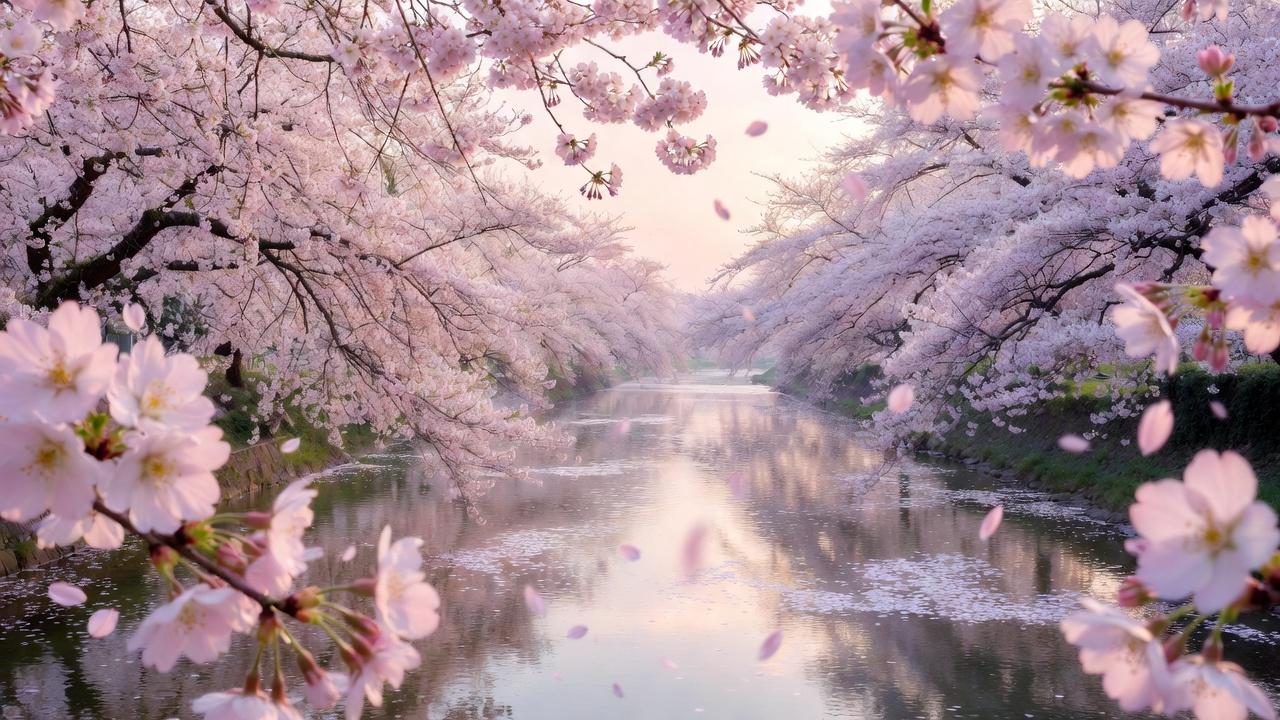
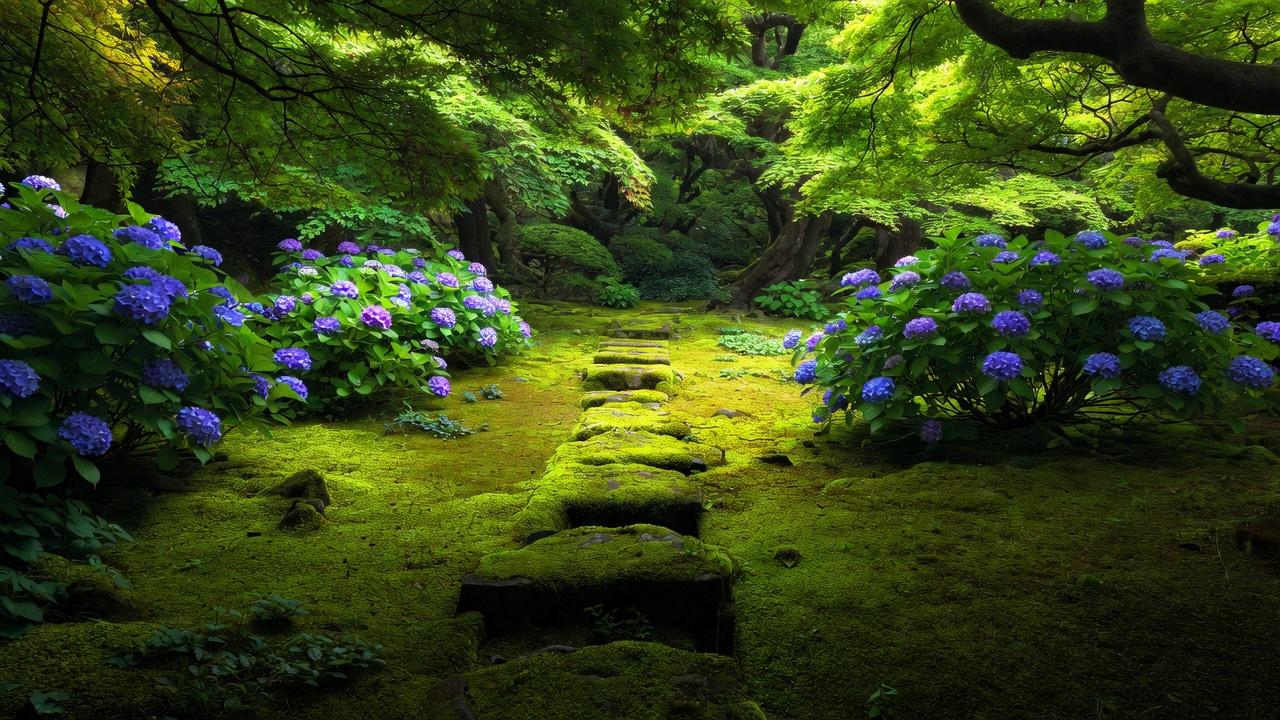
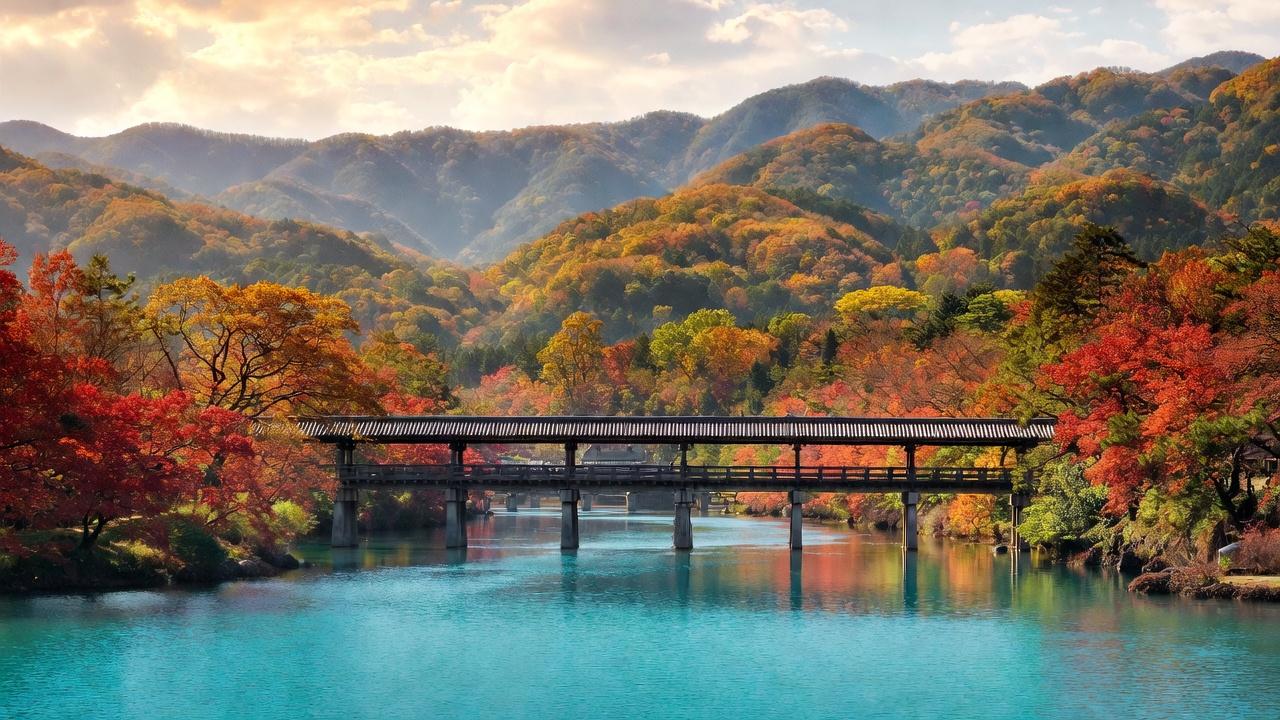
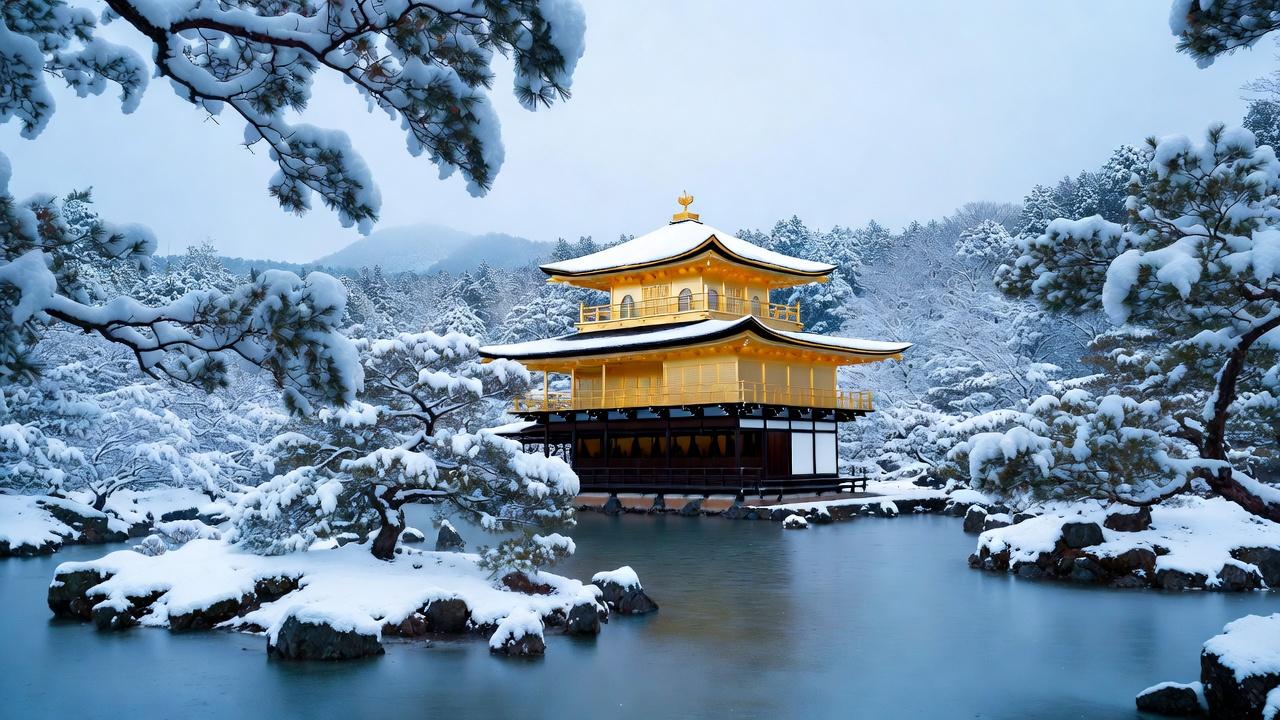
Each season reshapes the city into something entirely new. Spring drapes the Philosopher's Path in pale cherry blossoms that fall like slow rain. Summer brings lush hydrangea and the hypnotic clatter of riverside kawadoko dining platforms along the Kamogawa. Autumn sets the maple canopy at Tofuku-ji ablaze in copper and vermilion. Winter lays a rare, quiet snowfall across Kinkaku-ji's golden pavilion, a scene so fleeting it feels borrowed from a woodblock print. Our guide to the best time to visit Kyoto helps you align your trip with the moments that move you most.
How long you stay matters less than how you choose to spend the hours. A single unhurried day in Higashiyama — climbing toward Kiyomizu-dera at first light, then wandering the narrow lanes of Ninenzaka with a warm warabi mochi in hand — can be more memorable than a week spent rushing between landmarks. Still, three to five days allows the city to reveal its quieter layers: the retired geisha district of Gion at dusk, the wild mountainside trails behind Fushimi Inari, the artisan workshops of Nishijin where kimono weavers keep centuries-old techniques alive. Browse our Kyoto itineraries to find a pace that suits you — whether that is a neighborhood-by-neighborhood exploration or a focused day built around a single theme.
Kyoto is also a city that rewards the curious eater. Beyond the refined kaiseki dinners and matcha-dusted sweets that define its culinary reputation, there are yudofu tofu stalls near Nanzen-ji, street-side yakitori smoke drifting through Pontocho alley, and local obanzai home-cooking joints hidden in residential blocks where no guidebook has ever pointed. Our Kyoto food guide traces these flavors from temple vegetarian traditions to the modern kissaten coffee culture quietly reshaping the city's backstreets.
Where you sleep shapes the Kyoto you experience. A machiya townhouse in the textile district offers creaking wooden floors and a courtyard garden viewed through sliding shoji screens. A ryokan near Arashiyama trades city noise for the sound of the Hozu River at night. Even a well-placed hotel near Kyoto Station puts the entire rail network — and day trips to Nara, Osaka, and Uji — at your feet. We built this guide not as an exhaustive catalog, but as a thoughtful companion: the kind of advice a friend who has walked these paths would offer over a cup of hojicha, unhurried, with nothing to sell. Explore our where to stay guide and begin shaping a journey that belongs entirely to you.
旅の心得 — Before You Go
Planning Your Time in Kyoto
Kyoto rewards the unhurried. Unlike Tokyo's electric pace, the ancient capital unfolds slowly — a moss garden here, a quiet shrine path there. Most visitors find three days strikes the right balance between the landmark temples and the backstreet discoveries that make Kyoto worth remembering.
Start early. Fushimi Inari at dawn, before the crowds arrive, is a different place entirely. Save Gion for the evening, when the wooden tea houses glow with lantern light and you might catch the soft click of a maiko's wooden sandals on stone.
Browse our itineraries from one to five days, each organized by district to minimize transit time and maximize the hours you spend on foot in the places that matter.