
Best Areas to Stay
Kyoto is a compact city, but each neighborhood carries its own rhythm. The station area hums with efficiency; Gion whispers with tradition; downtown buzzes with modern energy. Where you sleep shapes what you see — not just geographically, but in the texture of daily life that greets you each morning. Skip Kyoto Station area unless you're arriving late — it's convenient but has no soul. If you are visiting during cherry blossom season or autumn foliage, staying in Higashiyama puts you steps away from the best viewing spots before the day-trippers arrive.
Kyoto Station Area
京都駅周辺
The city's transport nerve center. Shinkansen, JR lines, and city buses converge here, making it the most practical base for travelers who plan to cover ground quickly. The area trades atmosphere for convenience — modern hotels and chain restaurants dominate, but you're never more than a few minutes from a train to anywhere in Kansai.
Best for: Short stays, day-trippers, transit-focused itineraries
Gion & Higashiyama
祇園・東山
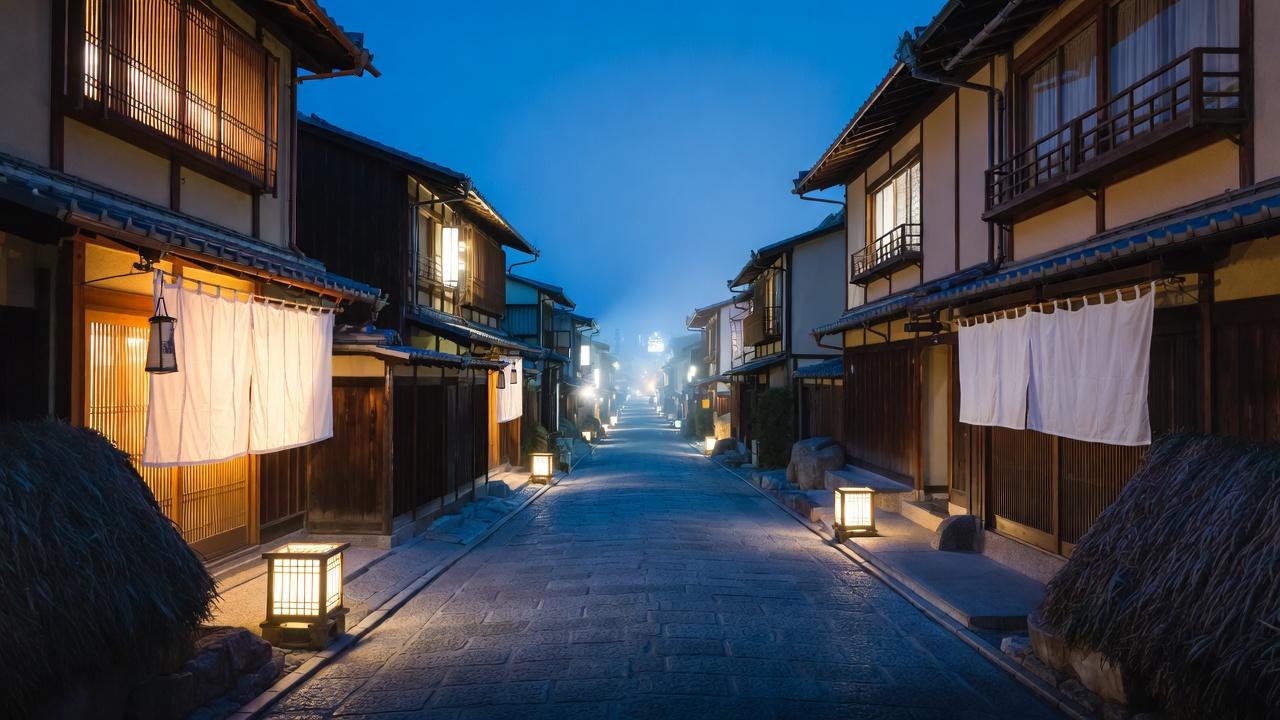
Wooden machiya facades, stone-paved lanes, and the quiet shuffle of geiko heading to evening appointments. Staying here means waking up inside Kyoto's most atmospheric district — temples, shrines, and traditional tea houses are steps away. Accommodation leans toward boutique ryokan and upscale hotels, with fewer budget options.
Best for: Culture seekers, couples, photography, romantic trips
Downtown (Karasuma/Shijo)
烏丸・四条
The beating heart of modern Kyoto. Two subway lines cross here, department stores and covered arcades (Teramachi, Shinkyogoku) stretch in every direction, and restaurants range from standing ramen bars to kaiseki institutions. It balances old-city charm with contemporary convenience better than anywhere else.
Best for: First-time visitors, solo travelers, foodies
Arashiyama
嵐山
Bamboo groves, the Togetsukyo bridge, and forested mountains define this western district. It feels like a separate world from central Kyoto. Accommodation is limited but what exists tends toward peaceful mid-range ryokan and guesthouses. The trade-off: reaching eastern Kyoto takes 30–40 minutes by bus or train.
Best for: Nature lovers, couples, travelers seeking quiet
Northern Kyoto (Kita-ku)
北区
Home to Kinkaku-ji and Daitoku-ji, the northern districts reward those willing to stay off the well-worn path. Residential neighborhoods offer a glimpse of everyday Kyoto — local bakeries, quiet shrines tucked between houses, and genuine neighborhood life. Bus connections are decent but less frequent than downtown.
Best for: Repeat visitors, budget travelers, long stays
By Travel Style
Budget Travelers
Kyoto rewards the budget-conscious traveler who's willing to trade luxury for authenticity. Hostels cluster around Kyoto Station and downtown, running ¥3,000–5,000 per night for dormitory beds in clean, well-managed properties. Private rooms in guesthouses cost ¥4,000–8,000 and often come with communal kitchens and local recommendations you won't find in guidebooks.
Look for properties in the Shimogyo and Nakagyo wards — slightly off the tourist spine but well-connected by bus. Many guesthouses occupy converted machiya townhouses, giving budget stays a distinctly Kyoto character that chain hotels cannot match.
Mid-Range Travelers
The sweet spot for most visitors. Business hotels (¥8,000–15,000) offer reliable comfort with compact rooms, onsen baths, and breakfast buffets. Chains like Dormy Inn and Vessel Hotel consistently deliver. For something with more soul, boutique ryokan in the ¥15,000–25,000 range provide tatami rooms, yukata robes, and often include a traditional breakfast.
Mid-range properties in the Karasuma corridor give you subway access and walkable distance to both Gion and Nishiki Market — the best of both worlds without the premium price tag of Higashiyama addresses.
Luxury Travelers
Kyoto's luxury accommodation is among the finest in Japan. Premium ryokan (¥30,000–80,000+ per person per night) offer kaiseki multi-course dinners, private garden-view baths, and the kind of meticulous hospitality that redefines what service means. Five-star hotels like the Four Seasons, Aman Kyoto, and Park Hyatt range from ¥25,000–60,000 per room and blend contemporary design with traditional aesthetics. For the ultimate experience, seek out small ryokan with fewer than ten rooms — the intimacy and attention to detail are unmatched.
Ryokan vs Hotel
This is the first decision most travelers face in Kyoto, and there's no wrong answer — only what fits your pace and preferences.
Ryokan
- ·Tatami rooms with futon bedding laid out each evening
- ·Kaiseki dinner and traditional breakfast often included
- ·Onsen or private bath, yukata robes provided
- ·A cultural experience in itself — not just a place to sleep
From ¥12,000/person/night
Hotel
- ·Familiar bed-and-bath setup, 24-hour front desk
- ·Flexible check-in, luggage storage before/after stay
- ·Often includes amenities like gym, laundry, concierge
- ·Easier for families, those with mobility needs, or late arrivals
From ¥6,000/room/night
Our suggestion: Try at least one night in a ryokan, even if you spend the rest of your stay in a hotel. The evening ritual of soaking in the bath, dressing in yukata, and sitting down to a multi-course meal is one of Kyoto's defining experiences.
Booking Tips
Timing matters more in Kyoto than most cities. Cherry blossom season (late March to mid-April) and autumn foliage (mid-November to early December) fill hotels months in advance — book three to six months ahead for these windows. Golden Week (April 29–May 5) and New Year are similarly competitive. Our best time to visit guide breaks down pricing and crowd levels month by month.
For hotels and hostels, Booking.com and Agoda tend to offer the best rates with free cancellation. For ryokan, contact the property directly — many smaller establishments don't list on international platforms, and direct booking sometimes yields better rates or room upgrades. Japanican.com is useful for ryokan that don't have English websites.
Avoid August if you can. Kyoto's basin geography traps summer heat and humidity, making the city uncomfortably hot while accommodation prices remain high. January and February offer the lowest rates with fewer crowds, and Kyoto's winter temples have a stark beauty worth experiencing.
For stays of four nights or more, consider apartment rentals through platforms like Airbnb or Stay Japan. A kitchen saves money on meals, a washing machine is invaluable for longer trips, and the extra space makes a tangible difference — especially for families. Many listings occupy renovated machiya townhouses in residential neighborhoods, offering a window into everyday Kyoto life.
Frequently Asked Questions
Downtown Karasuma/Shijo is the best base for first-time visitors. Two subway lines and major bus routes put every attraction within easy reach. You'll find hotels at every price point, endless dining options, and covered shopping arcades for rainy days. It strikes the ideal balance between access and atmosphere.
Ryokan span a wide range. Simple guesthouses with shared baths start around ¥8,000–12,000 per person. Mid-range ryokan with private rooms, yukata, and breakfast run ¥15,000–25,000. Premium ryokan with kaiseki dinner, personal onsen, and garden views range from ¥30,000–80,000+ per person per night. Many include two meals in the rate.
Kyoto if temples, shrines, and traditional culture are your priority — you'll save commuting time and experience the city at dawn and dusk when it's most beautiful. Osaka if you want livelier nightlife and lower accommodation costs, with Kyoto as a 15-minute shinkansen or 40-minute express train day trip. Read our detailed comparison in the Kyoto vs Osaka guide.
Yes, for convenience — especially if you're arriving late or leaving early, or using Kyoto as a base for day trips via shinkansen. The area has competitive hotel rates and excellent transport links. The trade-off is atmosphere: you're surrounded by modern buildings rather than traditional streets. A 10-minute bus or subway ride gets you to the atmospheric districts.
Continue exploring
Your neighborhood shapes your entire Kyoto experience. Downtown Kawaramachi buzzes until late; Higashiyama empties by dusk. Our transport guide connects them all.