
Understanding Geiko & Maiko
Geiko (Geisha)
Fully trained professional entertainers — Kyoto's term for geisha. Recognized by simpler makeup, both lips painted red, and understated elegance.
- · More subtle white makeup
- · Both lips painted red
- · Simpler hair ornaments
Maiko (Apprentice)
Apprentice geiko, typically ages 15–20, undergoing years of training. Recognized by multi-layered, colorful kimono and elaborate hair ornaments.
- · Lower lip only painted red (first year)
- · Elaborate seasonal hair ornaments
- · More colourful kimono
Spotting etiquette: Geiko and maiko are working professionals heading to appointments. Do not block their path, touch them, or follow them. A quick, respectful photo from a distance is acceptable, but many prefer not to be photographed. Gion sits within the broader Higashiyama district, so please respect the neighbourhood and its residents.
What to See in Gion
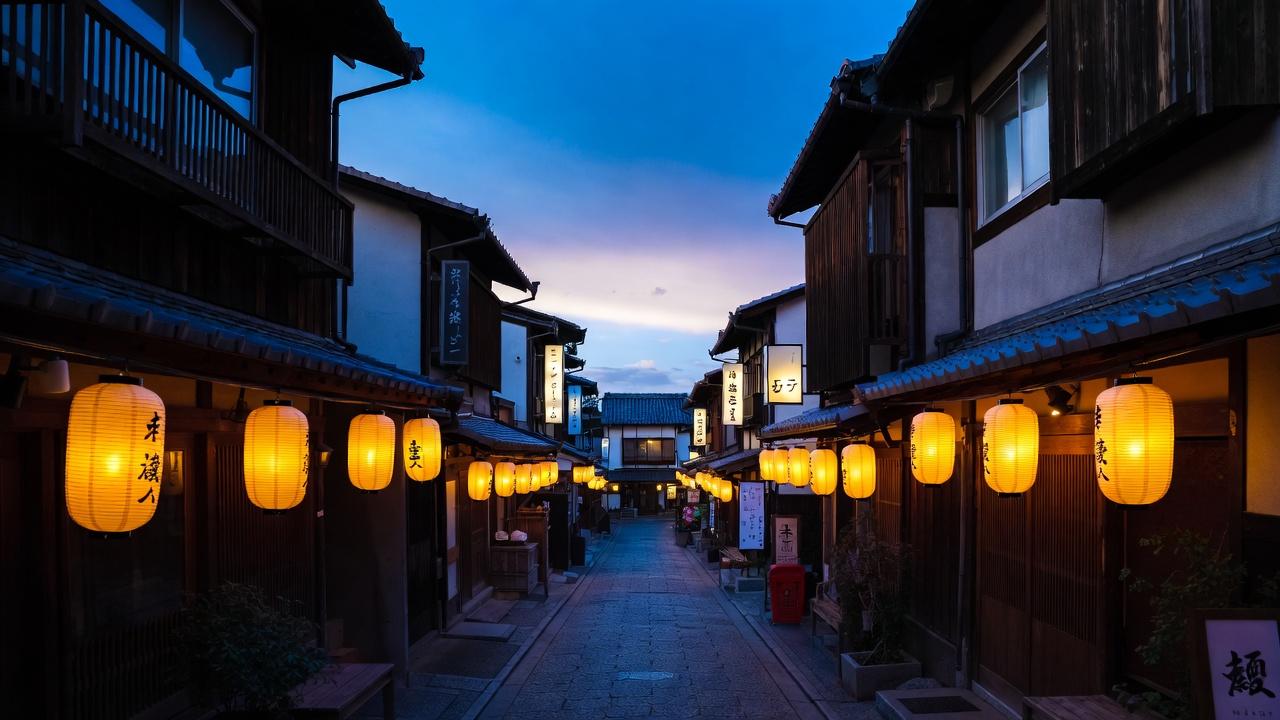
Hanamikoji Street
花見小路
The main geisha promenade lined with exclusive tea houses — Gion's most storied street.
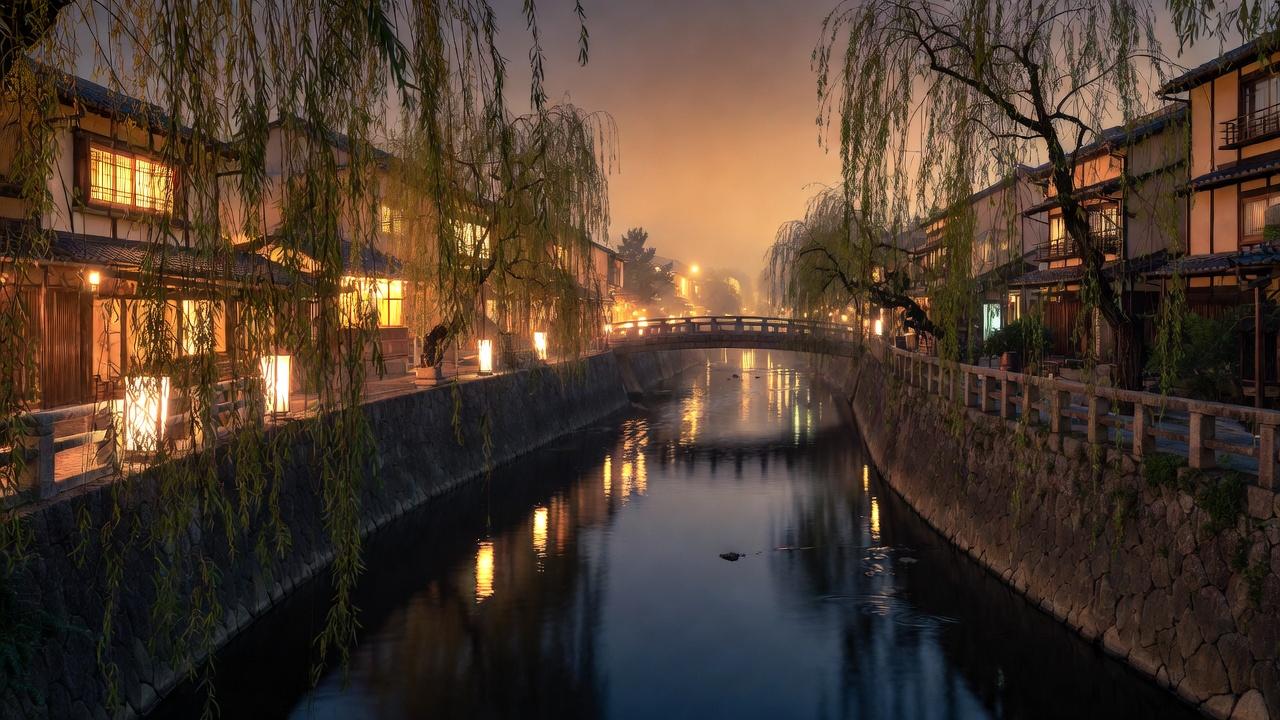
Shirakawa Canal
白川
Willow-lined canal with traditional machiya houses — quieter and more atmospheric than the main streets.
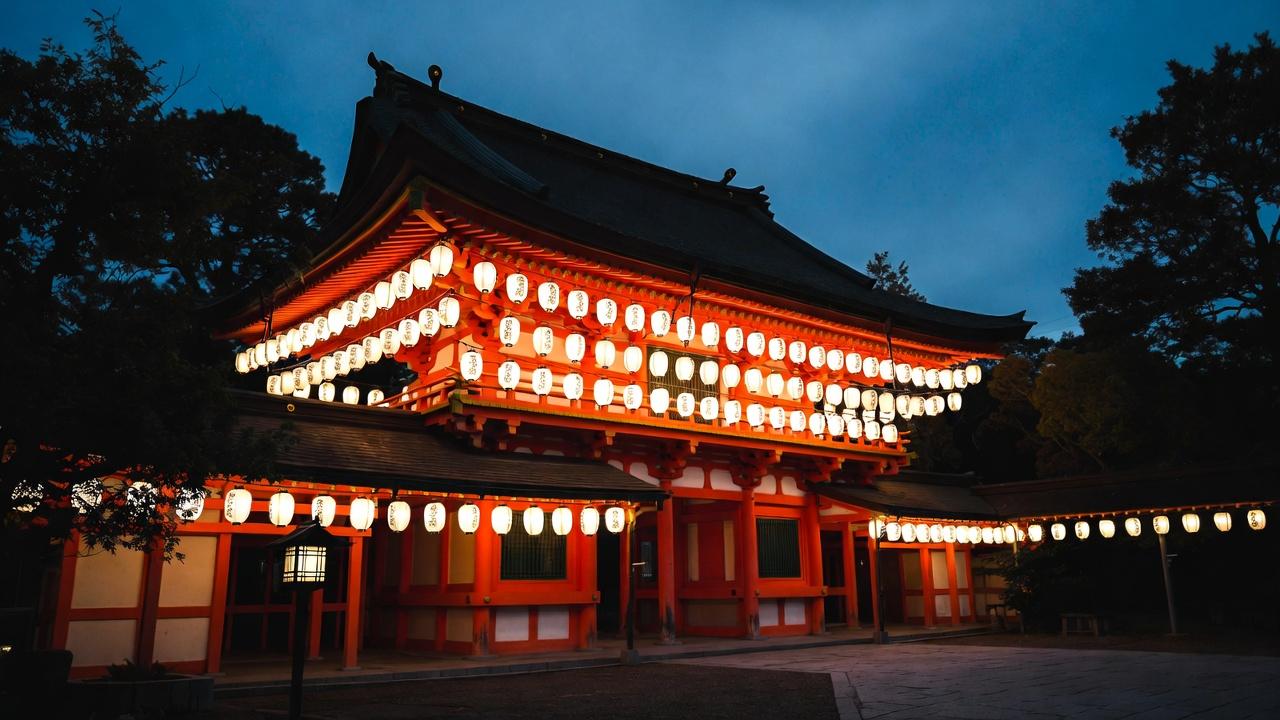
Yasaka Shrine
八坂神社
Major shrine at the eastern end of Gion — free entry, beautiful with lantern light at night.
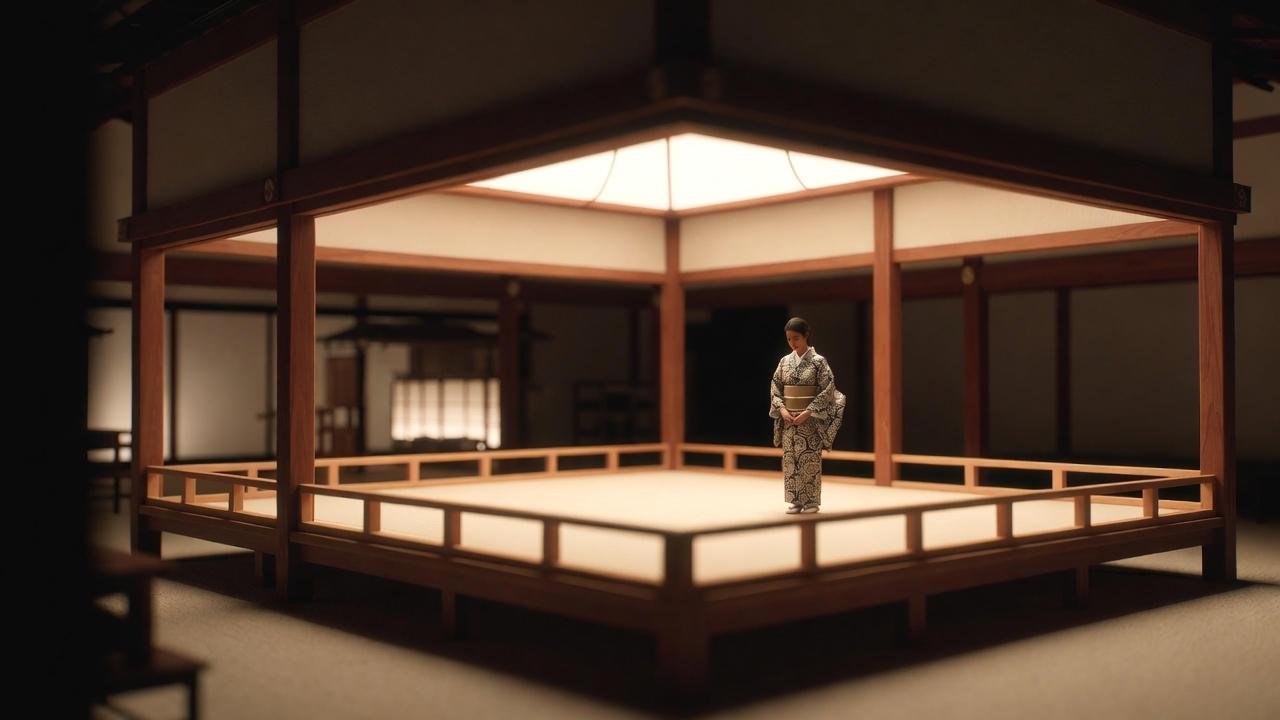
Gion Corner
祇園コーナー
Theater with traditional arts performances — tea ceremony, flower arrangement, koto music, and dance.
When to Visit Gion
5–7 PM: Prime time
This is when geiko and maiko head out to evening appointments. Your best chance to see them walking on Hanamikoji and surrounding streets. They walk quickly and purposefully — don't block their path.
Early morning: Peaceful atmosphere
Before 9 AM, Gion is quiet and atmospheric. Perfect for photography of the traditional architecture without crowds. You won't see geiko or maiko but the streets are beautifully empty.
Late evening: Lantern glow
After 8 PM, the district takes on a magical quality as traditional lanterns illuminate the wooden facades. Fewer tourists, romantic atmosphere, and occasional geiko sightings returning from engagements. Nearby Kiyomizu-dera hosts special evening illuminations during cherry blossom and autumn foliage seasons that pair perfectly with a Gion stroll. An evening in Gion pairs beautifully with a 3-day Kyoto itinerary that balances temples and culture.
Cultural Experiences
Dinner with Maiko
Several restaurants and tour companies offer dinners with maiko entertainment. Book well in advance. Expect ¥15,000–30,000+ per person. A more accessible way to experience the culture than exclusive tea houses.
Gion Corner Theater
One-hour shows featuring tea ceremony, flower arrangement, koto music, traditional dance, and more. Shows at 6 PM and 7 PM most evenings. ¥3,150 per person.
Walking Tours
Guided evening walks with local experts who explain the culture and share insider knowledge. Various companies offer options from ¥3,000–10,000.
Frequently Asked Questions
Between 5:30–6:30 PM is your best chance, when geiko and maiko walk to evening engagements along Hanamikoji and surrounding streets. They walk quickly and purposefully. Early morning (before 9 AM) offers beautiful empty streets but no geisha sightings. Late evening (after 8 PM) sometimes catches them returning.
Geiko are fully trained professional entertainers (Kyoto's term for geisha) — recognized by simpler makeup and understated elegance. Maiko are apprentices (ages 15–20) undergoing years of training — recognized by brightly patterned kimono, elaborate hair ornaments, and red paint on the lower lip only in their first year. Both are working professionals, not tourist attractions.
Traditional ochaya (tea houses) are private and invitation-only. However, several restaurants and tour companies offer dinner with maiko entertainment — book well in advance. Expect ¥15,000–30,000+ per person. Gion Corner theater offers a more accessible cultural experience at ¥3,150.
The architecture and atmosphere are beautiful at any hour, but Gion truly comes alive in the evening when lanterns illuminate the wooden facades. For the best experience, arrive in the late afternoon and stay through dusk. Combine with nearby Higashiyama for a full day.
Continue exploring
Gion reveals itself slowly after dark, when the lanterns come on and teahouse doors slide open. Pair your evening walk with Higashiyama's temples earlier in the day.