
The Quick Answer
Spring (late March–April) brings the famous cherry blossom season, and autumn (mid-November) delivers fiery red and gold fall foliage — both are the most beautiful but also the most crowded and expensive. For a balance of good weather and manageable crowds, visit in May, early June, or October.
Best for beauty
Late March–April (sakura) & November (koyo)
Best for fewer crowds
May, June, January, February
Kyoto Season by Season
Kyoto in Spring
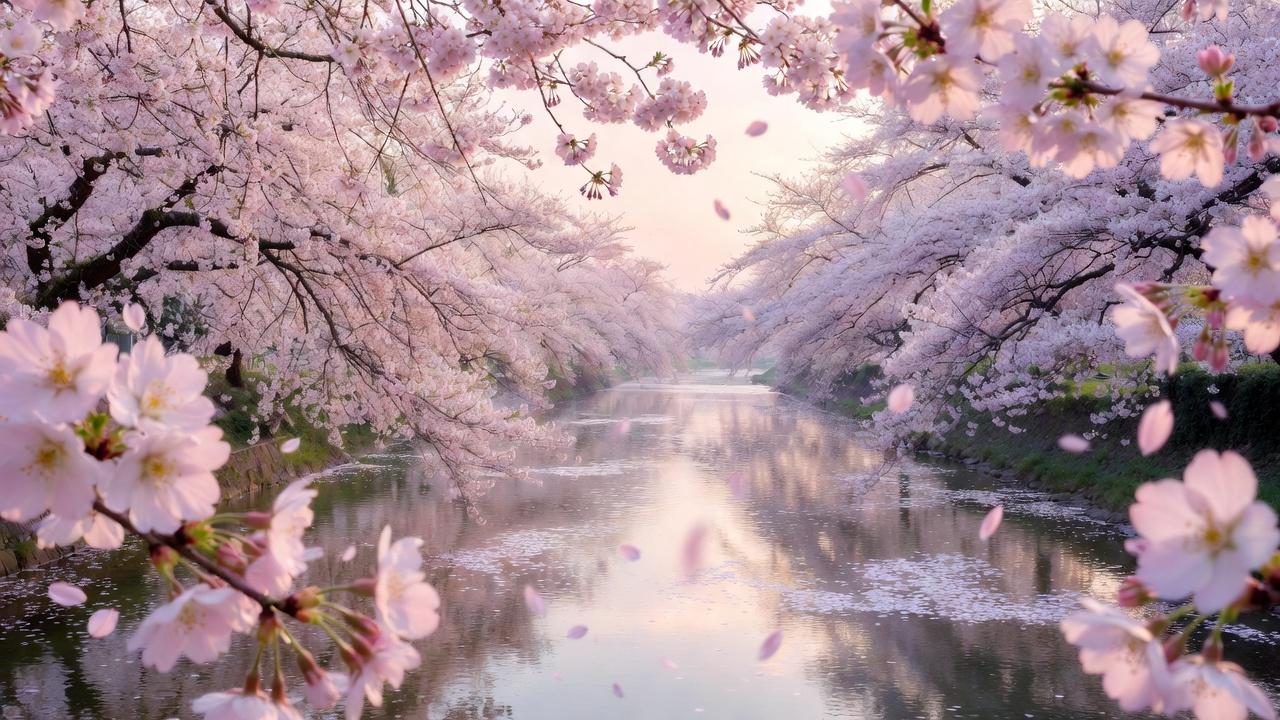
Spring transforms Kyoto into a dreamscape of cherry blossoms. The sakura season (late March to early April) draws millions to see temples framed by clouds of pink petals.
Highlights
- · Cherry blossom viewing (hanami)
- · Pleasant temperatures (10-20°C)
- · Temple night illuminations
- · Japanese festivals
Weather
10-20°C (50-68°F)
Moderate, occasional showers
Kyoto in Summer
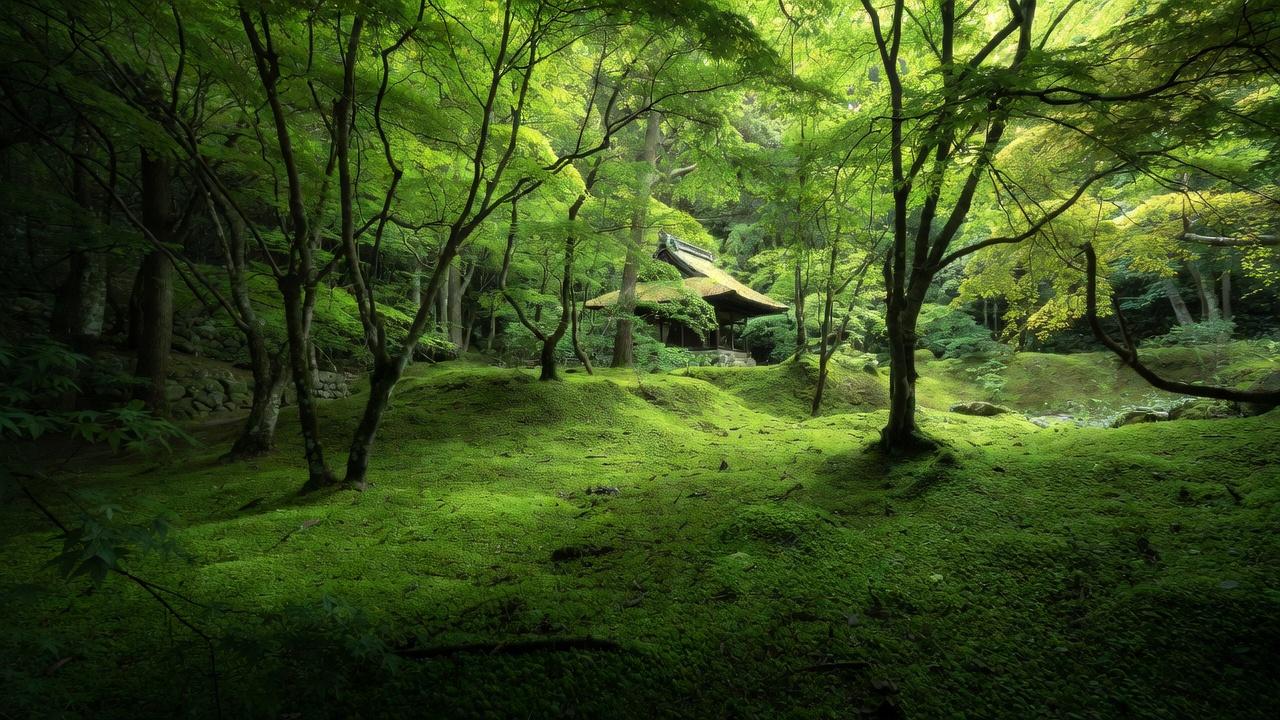
Hot and humid summer brings its own charm with lush greenery, evening festivals, and riverside dining on traditional platforms. The famous Gion Matsuri takes place in July.
Highlights
- · Gion Matsuri (July)
- · Lush green temple gardens
- · Kawadoko riverside dining
- · Fewer tourists than peak seasons
Weather
25-35°C (77-95°F)
Rainy season in June, occasional thunderstorms
Kyoto in Autumn
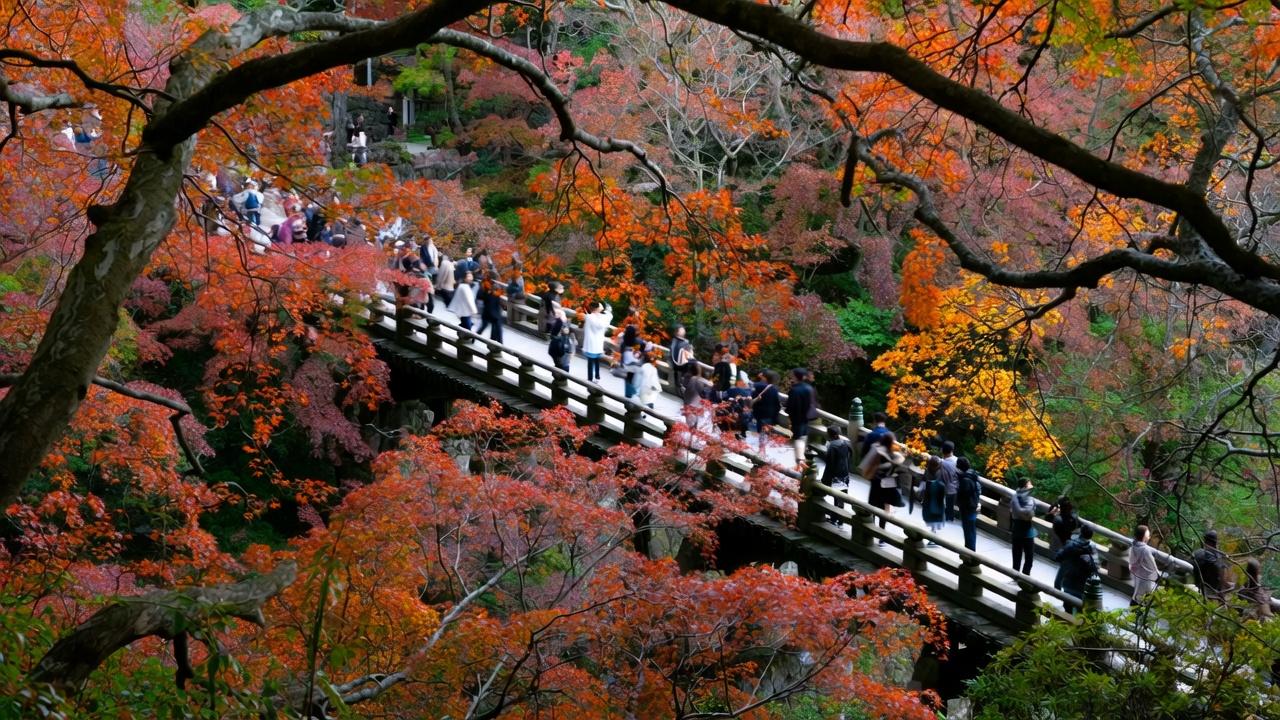
Autumn rivals spring for beauty as temples blaze with red and gold maple leaves. The koyo (fall foliage) season from mid-November to early December is peak viewing time.
Highlights
- · Spectacular fall foliage (koyo)
- · Perfect temperatures
- · Night illuminations at temples
- · Clear, crisp days
Weather
10-22°C (50-72°F)
Low, mostly dry and pleasant
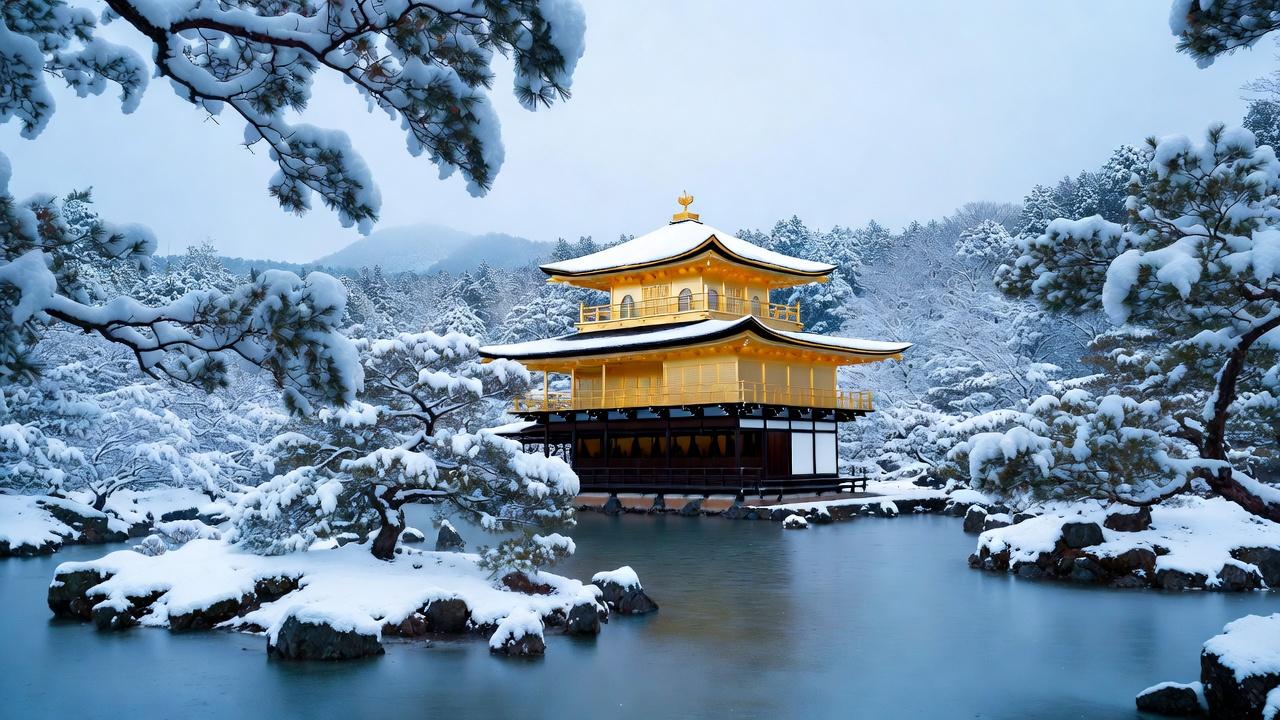
Kyoto in Winter
Winter brings fewer crowds and occasional snow that transforms temples into magical scenes. It's the perfect time for contemplative temple visits and warming onsen experiences.
Highlights
- · Snow-covered temples
- · Fewest tourists
- · Winter illuminations
- · Hot springs and warm food
Weather
2-10°C (36-50°F)
Low, occasional snow (1-3 times per winter)
Season Comparison
| Factor | Spring | Summer | Autumn | Winter |
|---|---|---|---|---|
| Temperature | 10–20°C | 25–35°C | 10–22°C | 2–10°C |
| Crowds | ||||
| Hotel Prices | $$$ | $$ | $$$ | $ |
| Natural Beauty | Cherry blossoms | Lush green | Fall colours | Occasional snow |
Frequently Asked Questions
Late March to early April (cherry blossoms) and late November (fall foliage) are the most visually dramatic. For a balance of beauty, mild weather, and manageable crowds, October and May are excellent choices.
January and February see the fewest tourists. June (rainy season) and hot August are also quieter. You'll have temples nearly to yourself, and accommodation is significantly cheaper.
It's hot and humid (30–35°C), but summer has its own rewards: the spectacular Gion Matsuri festival in July, lush green temple gardens, riverside dining on traditional platforms (kawadoko), and fewer tourists. Visit temples early morning or in the evening.
Light snow falls 1–3 times per winter, rarely lasting more than a day. When it does, Kinkaku-ji (Golden Pavilion) covered in snow is one of Kyoto's most magical and rare sights. Follow the Japan Meteorological Agency (jma.go.jp) weather alerts if you want to catch it.
Continue exploring
Whatever season draws you here, the Japan Meteorological Agency publishes seasonal forecasts for cherry blossoms and foliage that help with timing. Arrive early at the popular temples — by 7 a.m. you'll have Kinkaku-ji's reflection pond almost to yourself. Our spring cherry blossom and autumn foliage guides have month-by-month timing.