
Getting to Uji
JR Nara Line
20 minutes (Miyakoji Rapid)
¥240 one way
Covered by JR Pass
10 min walk to Byodo-in
Keihan Line
30–40 minutes
¥320 from Gion-Shijo
Not covered by JR Pass
8 min walk to Byodo-in
Combine with Nara: Uji sits between Kyoto and Nara on the JR Nara Line. Visit Uji in the morning, then continue to Nara (30 minutes south) for an afternoon of deer and temples. One of the most efficient day trips from Kyoto.
What to See
Byodo-in Temple
平等院
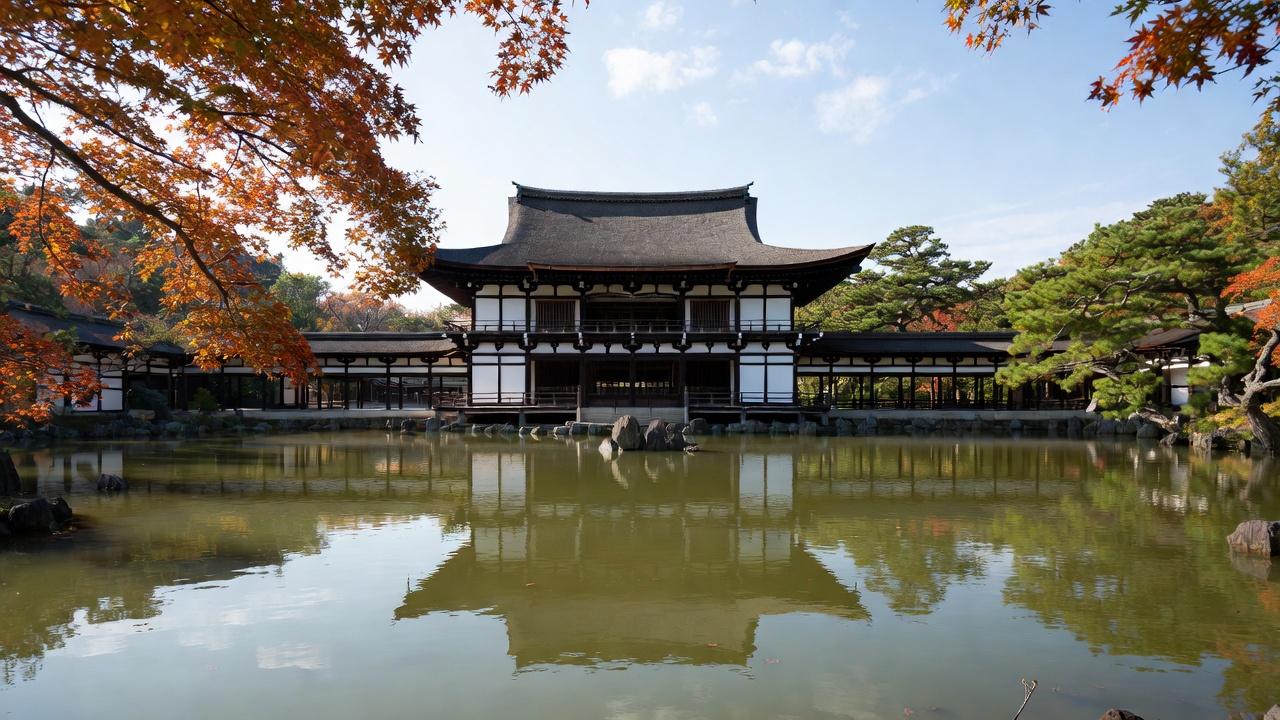
The Phoenix Hall is one of Japan's most recognized buildings — you've seen it on the back of the ¥10 coin. Built in 1053, this UNESCO World Heritage Site seems to float above its reflection pond. The symmetrical wings were designed to evoke a phoenix landing.
The Phoenix Hall interior tour is limited to 50 people per 20-minute session. Buy your Phoenix Hall ticket on arrival and note your assigned time. Morning light creates the best reflections in the pond. Bring a ¥10 coin to compare.
Omotesando Tea Street
表参道
The main approach to Byodo-in is lined with tea shops that have operated for generations. Free samples of gyokuro and matcha at nearly every door. This is where Japan's finest tea comes from — the region's misty climate and clean river water produce matcha with a depth of flavour found nowhere else.
Try matcha soft-serve (almost every shop has it), matcha soba noodles, and matcha-flavored mochi. For loose-leaf purchases, gyokuro (shade-grown) is Uji's premium product.
Ujigami Shrine
宇治上神社
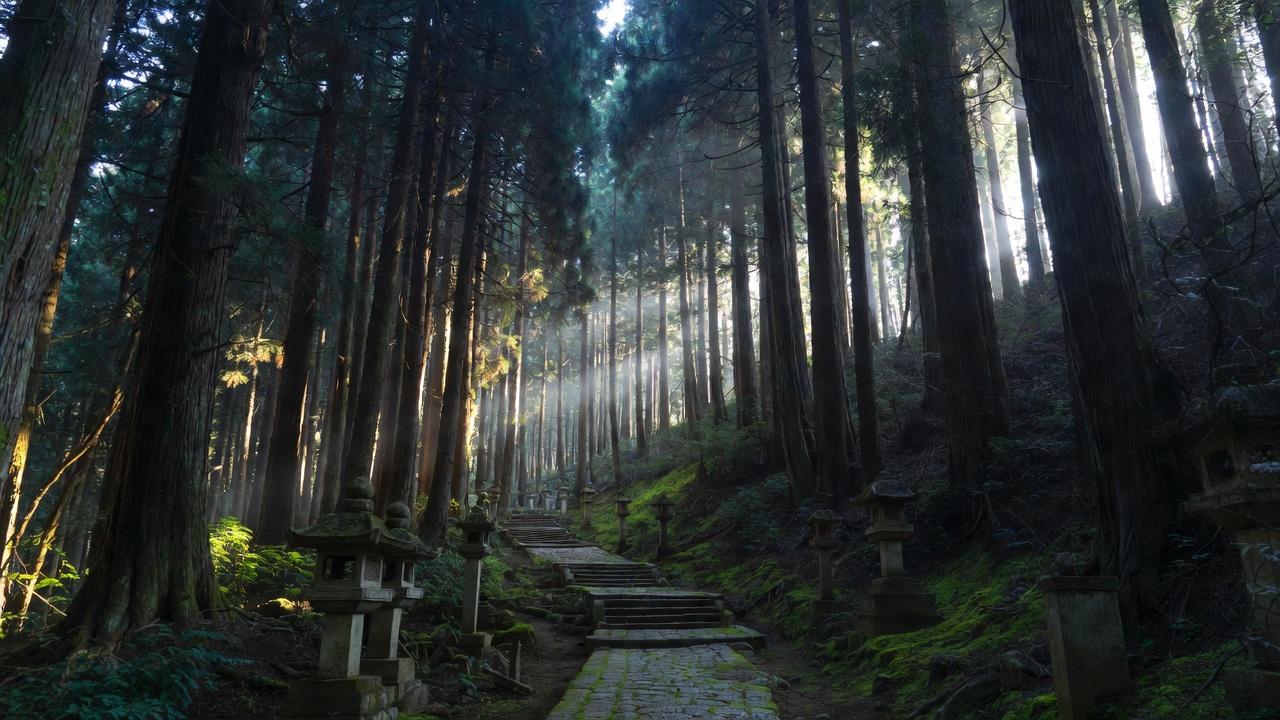
Japan's oldest surviving shrine building, dating to approximately 1060 — a UNESCO World Heritage Site. Tiny compared to Kyoto's grand shrines, but its age and simplicity are remarkable. The adjacent spring water (Kirihara-sui) is one of Uji's seven famous springs.
Just a 10-minute walk from Byodo-in along the river. Most tourists miss this — it's quiet even on busy days. The rustic wooden architecture is a direct connection to Heian-era Japan.
Matcha Experiences
Uji has grown tea since the 13th century. The region's misty climate, clean river water, and generations of expertise produce Japan's finest matcha. Three tea houses worth visiting:
Nakamura Tokichi
中村藤吉Since 1854The most famous tea house in Uji. Queue for their matcha parfait and nama-cha jelly. The main shop on Omotesando has a beautiful garden. Expect 30–60 minute waits on weekends.
Tsuen Tea
通圓Since 1160Claims to be the oldest tea shop in the world — operating continuously for over 860 years. Located right at the foot of Uji Bridge. Their hojicha (roasted green tea) is excellent.
Taihoan Tea House
対鳳庵City-runFormal matcha tea ceremony experience for ¥600 — an incredible value. Overlooking the Uji River with tatami seating. No reservation needed; walk in and join the next session.
What to buy: Gyokuro (shade-grown premium tea, ¥1,000–3,000 per 100g) is Uji's finest product. Ceremonial-grade matcha powder makes an excellent gift. Most shops offer free tastings before purchase. See our food guide for more on Kyoto's tea culture.
Uji River Walk
The Uji River connects the town's highlights in a pleasant 30-minute walk. From Byodo-in, follow the river south toward Ujigami Shrine — the path is flat, scenic, and quiet even on busy days.
Cross Asagiri Bridge for views of the river islands. This stretch of water inspired scenes in "The Tale of Genji" — the world's first novel, written in the 11th century by Lady Murasaki Shikibu. A small Tale of Genji Museum sits near Ujigami Shrine.
In summer (June–September), ukai (cormorant fishing) demonstrations take place on the river after dark — an ancient fishing technique using trained birds. Check locally for schedules.
Suggested Half-Day Route
Arrive at JR Uji Station, walk 10 minutes to Byodo-in
Byodo-in Temple — gardens, museum, and Phoenix Hall interior (1.5 hours)
Omotesando tea street — matcha tasting, shopping, soft-serve (45 min)
Lunch — matcha soba or traditional set at Nakamura Tokichi or nearby
Uji River walk south to Ujigami Shrine (30 min)
Ujigami Shrine + Tale of Genji Museum area (30 min)
Taihoan tea ceremony or free exploration (30 min)
Return to station — Kyoto by 3:15 PM, or continue to Nara (30 min south)
Practical Tips
Budget: ¥2,000–4,000 per person for the half day, including train fare (¥480 return), Byodo-in (¥700–1,000), matcha and snacks (¥500–1,000), and lunch (¥800–1,500).
Half day is enough: Uji is compact. Four to five hours covers Byodo-in, the tea street, Ujigami Shrine, and a river walk. This leaves the afternoon free for Nara or returning to Kyoto for other sightseeing.
Best season: Autumn (mid-November to early December) for foliage reflected in Byodo-in's pond. Spring for cherry blossoms along the river. Weekday mornings are the quietest time to visit year-round.
Frequently Asked Questions
A half day (4–5 hours) is ideal. You can see Byodo-in, walk the tea street, visit Ujigami Shrine, and enjoy a matcha experience without feeling rushed. Uji is compact — everything is within walking distance.
Absolutely, especially if you appreciate tea culture, UNESCO sites, or simply want a break from Kyoto's crowds. Uji is quieter, more relaxed, and only 20 minutes away. The Byodo-in alone justifies the trip, and the matcha is genuinely the best in Japan.
For a formal experience, Taihoan tea house offers ceremonial matcha overlooking the river for ¥600. For the most famous shop, Nakamura Tokichi (since 1854) is the standard. For the oldest, Tsuen Tea claims continuous operation since 1160. All are excellent.
Yes — they're on the same JR Nara Line. Visit Uji in the morning (3–4 hours), then continue to Nara (30 minutes south) for the afternoon. It's a full day but very efficient. Start early (9 AM in Uji) to have enough time for both.
Autumn (mid-November to early December) for crimson and gold foliage at Byodo-in reflected in the pond. Spring for cherry blossoms along the river. Summer for cormorant fishing (June–September). Winter is quiet but atmospheric. Weekday mornings are always the least crowded.
Continue exploring
Uji moves at its own pace — slower than Kyoto, quieter than Nara, and steeped in a tea tradition that has shaped Japanese culture for eight centuries. Bring a ¥10 coin and see where it all began.