
Getting to Nara from Kyoto
JR Nara Line
45 minutes (Miyakoji Rapid)
¥720 one way
Covered by JR Pass
15 min walk to deer park
Kintetsu Railway
45 minutes (express), ¥640 one way
Limited Express: ~¥1,280 (¥640 base + ¥640 surcharge, 35 min)
Not covered by JR Pass
5 min walk to deer park
Our recommendation: Take Kintetsu to Nara (closer station to the deer park), return via JR if you have a JR Pass. Without a JR Pass, Kintetsu both ways is the most convenient option. If you plan to visit Uji on the way, take the JR Nara Line — Uji is a stop along the route.
Suggested Walking Route
Nara Park & Deer
奈良公園
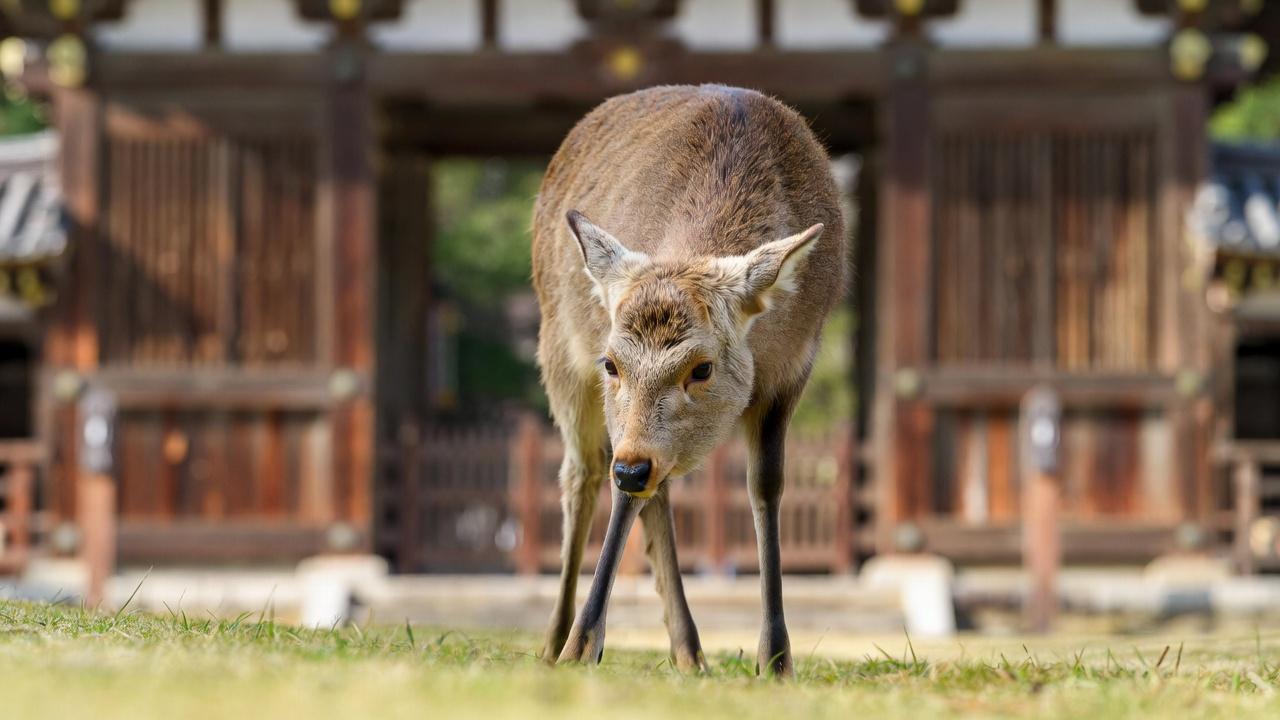
Over 1,200 sacred deer roam freely across this vast park. They have been protected as divine messengers of the Kasuga Shrine for over a thousand years. Buy shika-senbei (deer crackers, ¥200) from vendors near the park entrance.
Arrive early — deer are calmer and crowds thinner before 10 AM. The deer near Todai-ji tend to be more aggressive than those deeper in the park.
Todai-ji Temple
東大寺
The Great Buddha Hall (Daibutsuden) is the world's largest wooden building, housing a 15-meter bronze Buddha cast in 752 AD. The scale is genuinely awe-inspiring — even photographs don't prepare you for the sheer size.
Find the pillar with the hole near the back of the hall — crawling through it is said to grant enlightenment. The approach from Nandaimon Gate, with its enormous guardian statues, is part of the experience.
Kasuga Taisha Shrine
春日大社
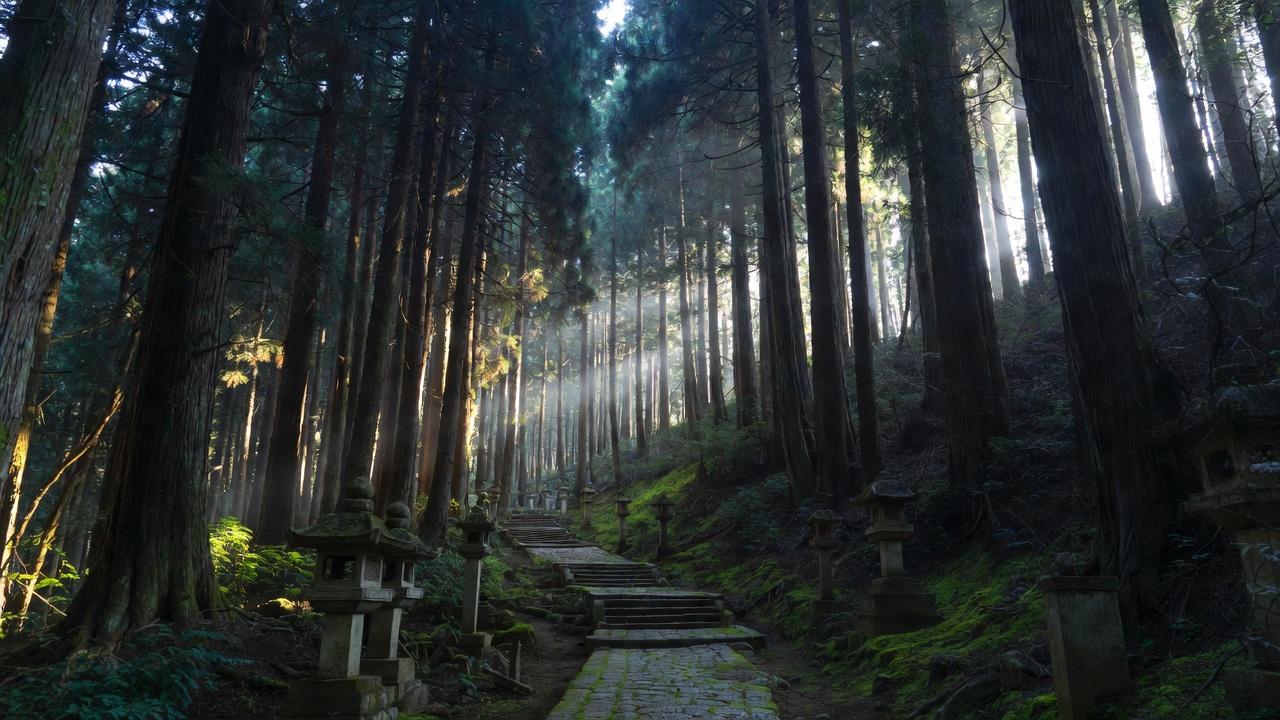
Famous for its 3,000 stone and bronze lanterns donated by worshippers over the centuries. The approach through primeval forest is atmospheric at any time of year. The inner sanctuary (Kiniro-no-Torii) glows with lantern light.
The forest path from Todai-ji to Kasuga Taisha is beautiful and takes about 15 minutes. Lantern festivals in February and August illuminate all 3,000 lanterns.
Lunch in Naramachi
ならまち
The historic merchant quarter south of the park, with narrow lanes of traditional machiya townhouses converted into restaurants, cafes, and shops. Try kakinoha-zushi (persimmon leaf-wrapped sushi) — Nara's signature dish.
Naramachi's restaurants are small and fill quickly at lunch. Arrive by 12:30 PM or consider a slightly later lunch at 1:30 PM after the rush.
Naramachi Stroll
ならまち散策
Wander through the quiet lanes of the old merchant quarter. Visit Koshi-no-Ie, a traditional machiya house open to the public for free, to see how Nara's merchants lived. Small museums, craft shops, and mochi dessert places fill the district.
Look for the red monkey charms (migawari-zaru) hanging from doorways — they're believed to ward off misfortune. This is the most pleasant part of Nara for unhurried exploration.
Isuien Garden (Optional)
依水園
A beautiful "borrowed scenery" (shakkei) garden that incorporates the distant roofline of Todai-ji into its design. Two connected gardens — the front from the Meiji era, the rear from the Edo period — offer different perspectives and moods.
Skip on a cloudy day when the borrowed scenery loses its impact. Best in autumn when the maples turn. Combine with the adjacent Yoshikien Garden (free for foreign visitors with passport).
Deer Etiquette
Bow to them: Nara's deer learn to bow back. Bow your head and many will reciprocate — one of Japan's most charming interactions.
Hide the crackers: Once deer see you holding shika-senbei, they will mob you. Keep crackers in your bag, pull one out at a time, feed quickly, and show empty hands when done.
No human food: Only feed them the official shika-senbei (¥200 from park vendors). Human food, plastic, and paper can make them sick. They will try to eat maps and guidebooks from your hands.
Seasonal caution: Male deer are more aggressive during rutting season (October–November) — their antlers are fully grown and they can charge. In June–July, mother deer protect newborn fawns — keep your distance.
When to Visit
Spring (March–May)
Cherry blossoms in Nara Park are beautiful and less crowded than Kyoto's famous spots. The deer among the blossoms is one of Japan's most photographed scenes.
Autumn (October–November)
Spectacular foliage, especially around Kasuga Taisha and Isuien Garden. Expect larger crowds on weekends. Note: male deer rutting season means more aggressive behaviour.
Summer (June–August)
Hot and humid, but lantern festivals at Kasuga Taisha (mid-August) illuminate all 3,000 lanterns. Fewer tourists. Baby deer season in June–July.
Winter (December–February)
The quietest season — cool weather, thin crowds, and atmospheric mist in the park. The deer are calmer. February lantern festival (Setsubun Mantoro) is magical.
Practical Tips
Budget: ¥3,000–5,000 per person for the day, including train fare (¥1,280–1,440 return), temple entry (¥600–1,100), deer crackers (¥200), and lunch (¥1,000–2,000).
Combine with Uji: Uji sits between Kyoto and Nara on the JR Nara Line. Visit Uji's temples and matcha shops in the morning, continue to Nara for the afternoon.
Luggage: Coin lockers available at both JR Nara Station (¥300–700) and Kintetsu Nara Station. Store bags before exploring — the walking route covers 5–6 km.
Footwear: Wear comfortable walking shoes. The route is mostly flat but covers significant distance, and some temple grounds have gravel paths. See our transport guide for ICOCA card details.
Frequently Asked Questions
A half day (4–5 hours) covers the highlights — deer park, Todai-ji, and a quick walk through Naramachi. A full day (7–8 hours) lets you add Kasuga Taisha, Isuien Garden, and a leisurely lunch. Most visitors find a full day more satisfying.
For a Kyoto-Nara return only, no — the round trip costs just ¥1,440 by JR. However, if you're already holding a JR Pass for longer-distance travel (Tokyo–Kyoto shinkansen, for example), it covers the Nara trip at no extra cost. Note that Kintetsu trains are NOT covered by JR Pass.
Generally no, but they can bite, headbutt, and kick — especially when they see food. Keep crackers hidden until you're ready to feed them, distribute quickly, and show empty hands when done. During rutting season (October–November), male deer are more aggressive. Don't touch baby fawns in June–July.
Yes — Uji sits between Kyoto and Nara on the JR Nara Line. Visit Uji in the morning (Byodo-in Temple, matcha tasting), then continue to Nara for the afternoon. It's a full day but very doable. See our Uji day trip guide for details.
Kintetsu is generally better for tourists — 45 minutes by express (or 35 minutes by Limited Express with a ¥640 surcharge), and Kintetsu Nara Station is closer to the deer park (5-minute walk vs. 15 minutes from JR Nara). However, JR is covered by the JR Pass and cheaper at ¥720 vs. ¥640. If going to Uji first, take JR for the combined route.
Continue exploring
Nara was Japan's capital before Kyoto, and something of that ancient authority lingers in the scale of its temples and the uncanny self-possession of its deer. Return to Kyoto by evening and watch the city's temple rooftops appear through the train window as the light fades.