
What Kyoto Nightlife Actually Looks Like
Let's be direct — Kyoto is not a nightlife city. But that quiet intensity is part of the appeal. Most restaurants take last orders by 9 PM. The famous temple districts are silent by 6 PM. If you arrive expecting Osaka's Dotonbori energy or Tokyo's Kabukicho chaos, you will be disappointed.
But Kyoto's evening scene has its own quiet magic. Four neighborhoods offer distinct after-dark experiences — from the refined exclusivity of Gion to the youthful energy of Kiyamachi. The trick is knowing where to go and when things actually happen.
Pontocho Alley
先斗町
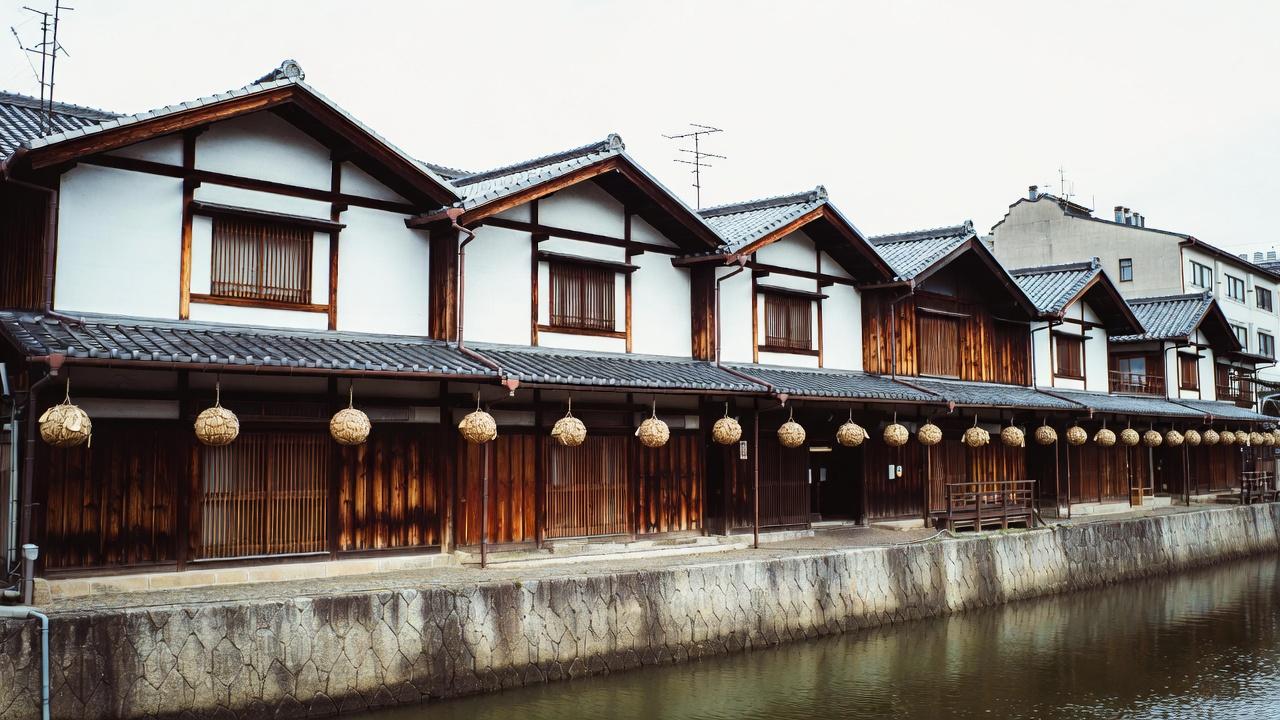
A single narrow alley running parallel to the Kamogawa River, lined with traditional restaurants and bars. Many places have riverside terraces (kawayuka) in summer. This is old-world Kyoto nightlife at its most romantic — paper lanterns, sliding doors, and the murmur of the river below.
Riverside terraces (kawayuka)
Seasonal diningMay–September only. Reserve well in advance for riverside seats.
Standing bars (tachinomi)
Casual drinksSeveral tiny standing bars serve craft sake — look for noren curtains at street level.
Yakitori alleys
Casual diningSmall yakitori joints with counter seating. Arrive before 7 PM or expect a wait.
Kiyamachi
木屋町
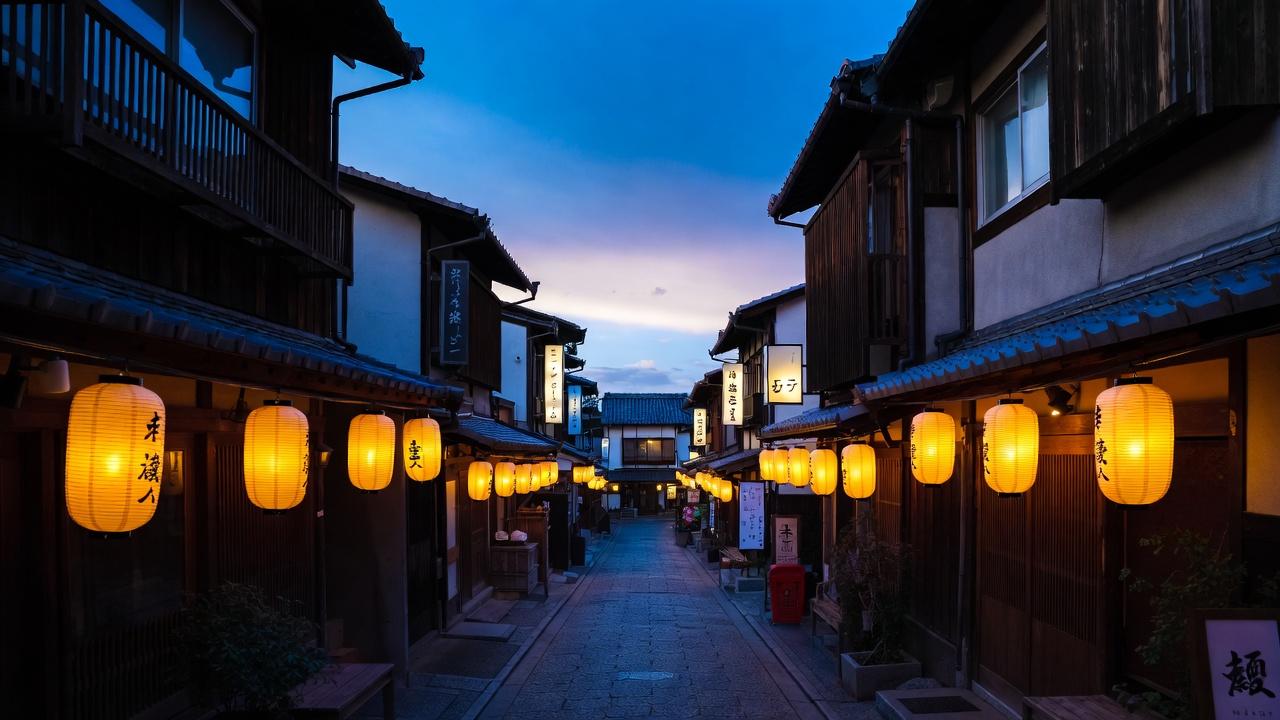
Running alongside a narrow canal south of Sanjo, Kiyamachi is Kyoto's liveliest nightlife strip. A mix of izakayas, cocktail bars, live music venues, and late-night spots that stay open past midnight — unusual for Kyoto. This is where locals in their 20s and 30s come after work.
Craft cocktail bars
CocktailsSeveral speakeasy-style bars hide behind unmarked doors. Ask your hotel concierge.
Live music venues
EntertainmentJazz and indie venues cluster near Sanjo. Cover charges typically ¥500–1,500.
Late-night izakayas
Food & drinkThe best izakayas here serve until 1 AM — ideal for a second dinner after drinking.
Gion After Dark
祇園
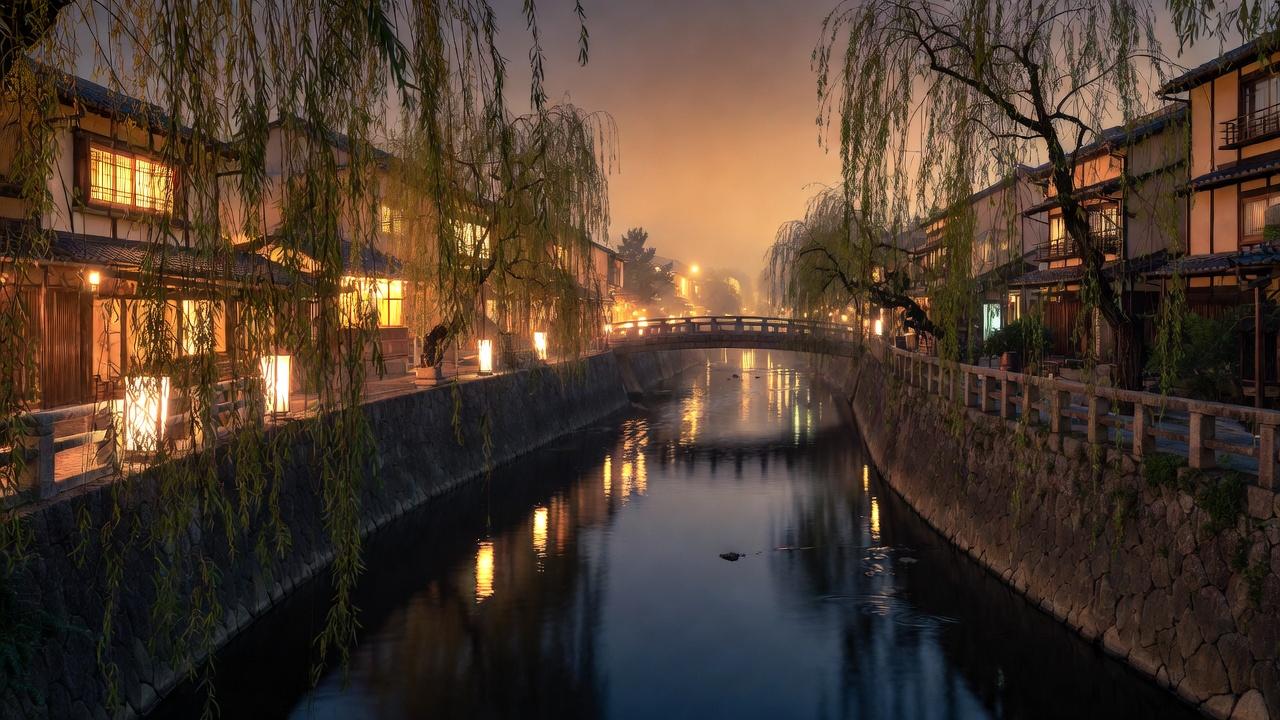
Gion's evening character is entirely different from its daytime tourist crowds. After 8 PM, the streets empty and traditional machiya bars emerge — intimate spaces with 6–8 seats, premium whisky collections, and bartenders who have practiced their craft for decades. The exclusive ochaya (tea houses) are invitation-only, but several upscale bars welcome walk-ins.
Machiya whisky bars
WhiskyConverted townhouses with rare Japanese whisky selections — Yamazaki, Hakushu, and limited editions. Expect ¥1,500+ per pour.
Hotel bars
CocktailsThe Park Hyatt and Sowaka Hotel have sophisticated bars open to non-guests.
Evening tea ceremonies
CulturalSome tea houses offer evening sessions — a contemplative alternative to drinking.
Kawaramachi
河原町
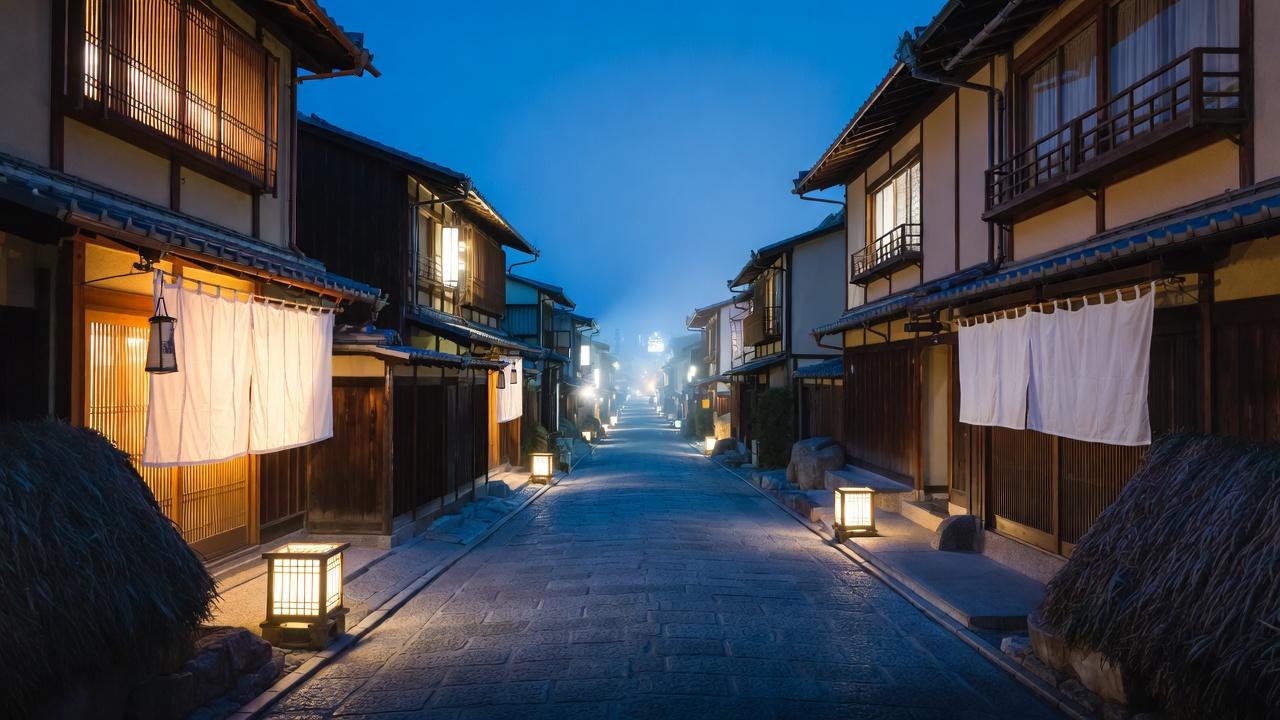
Kyoto's main shopping street transforms at night into a dining and drinking hub. Department store rooftop beer gardens (summer), chain izakayas for budget-friendly drinking, and late-night ramen shops near the station. Less atmospheric than Pontocho or Gion, but more affordable and easier to navigate.
Rooftop beer gardens
SeasonalJune–September on department store roofs. All-you-can-drink plans from ¥3,500.
Nishiki Market area
Food & drinkThe market closes by 5 PM, but surrounding streets have excellent izakayas.
Late-night ramen
FoodSeveral ramen shops near Shijo-Kawaramachi intersection serve until 2 AM.
Late-Night Dining
Finding food after 10 PM in Kyoto requires knowing where to look. Most kitchens close by 9 PM, and even izakayas take last orders by 10. Here are your options when hunger strikes late:
Kyoto Station ramen street
The 10th floor of Kyoto Station houses Ramen Koji — nine ramen shops open until 10 PM. Ground-level options near the station serve until midnight. See our Station Guide for details.
Kiyamachi late-night izakayas
The Kiyamachi strip between Sanjo and Shijo has izakayas serving food until 1 AM. Look for places with handwritten menus in the windows — usually the most authentic.
Convenience stores (konbini)
Not glamorous, but 7-Eleven, Lawson, and FamilyMart are open 24/7 with surprisingly good onigiri, bento boxes, and oden. A perfectly acceptable late-night option in Japan.
Cultural Evening Experiences
Kyoto's nightlife extends beyond bars and restaurants. Some of the city's most memorable evening experiences are cultural:
Temple night illuminations
During cherry blossom (late March–mid April) and autumn foliage (mid November–early December) seasons, major temples open for evening illuminations. Kiyomizu-dera, Kodai-ji, and Eikan-do are the most popular. Arrive early — queues can be 30+ minutes.
Gion Corner performances
One-hour sampler of seven traditional arts — tea ceremony, flower arrangement, koto music, court dance, and more. Shows at 6 PM and 7 PM. ¥3,150. A good introduction before exploring Gion's streets.
Kamogawa River walk
The riverbank between Sanjo and Shijo bridges is beautiful at dusk. Couples sit along the equally-spaced positions on the west bank — a uniquely Kyoto evening tradition. Free, atmospheric, and the perfect way to transition between daytime sightseeing and evening dining.
Practical Tips for an Evening Out
Last trains: Most lines stop running around 11:30 PM. The Karasuma subway to Kyoto Station has its last departure around 11:40 PM from Shijo. Check times for your specific line. See our transport guide for details.
Taxis: Readily available in central Kyoto until late. A ride from Gion to Kyoto Station costs roughly ¥1,200–1,500. MK Taxi is the most reputable company. Apps like GO Taxi work well in Kyoto.
Cash: Many small bars and traditional izakayas in Pontocho and Gion are cash-only. ATMs at 7-Eleven and post offices accept international cards 24/7. Carry at least ¥5,000–10,000 in cash for an evening out.
Reservations: Essential for Pontocho riverside seats (kawayuka) in summer and any popular izakaya on weekends. Your hotel concierge can usually book same-day for smaller establishments. For upscale dining, book 1–2 weeks ahead.
Frequently Asked Questions
Kyoto's nightlife is quieter and more refined than Tokyo or Osaka. Don't expect thumping clubs or neon-lit entertainment districts. Instead, you'll find intimate izakayas, whisky bars in converted townhouses, lantern-lit alleys, and cultural evening experiences. It's excellent if you appreciate atmosphere over volume.
Most traditional establishments and restaurants close by 10–11 PM. Pontocho and Gion largely shut down by midnight. Kiyamachi is the exception — many bars stay open until 2–3 AM. Last trains run around 11:30 PM, so plan accordingly or budget for a taxi.
Absolutely. Pontocho is at its most magical after dark when the paper lanterns illuminate the narrow alley. Even if you don't dine there, walking through is a quintessential Kyoto evening experience. In summer (May–September), the riverside kawayuka terraces are a highlight of any Kyoto summer.
Your best chance is between 5:30–6:30 PM when geiko and maiko walk to evening appointments. After 8 PM, you might occasionally spot them returning. For more detail, see our full Gion District Guide.
Kawayuka and kawadoko are related but different. Kawayuka refers to the wooden dining platforms built over the Kamogawa River in central Kyoto (along Pontocho), available May through September. Kawadoko refers to similar platforms set over mountain streams in Kibune and Takao. Both offer unique outdoor dining experiences, but the settings are quite different — riverside urban atmosphere vs. mountain forest coolness. Reservations are essential for both, especially on weekends.
Continue exploring
Kyoto's evenings reward patience — the city reveals a different self once the temple gates close and the lanterns come on. Start with Gion at dusk and let the night unfold.